

News
The religious left: substantial contributions but weak at its base. An interview with Robert Wuthnow
September 24, 2026
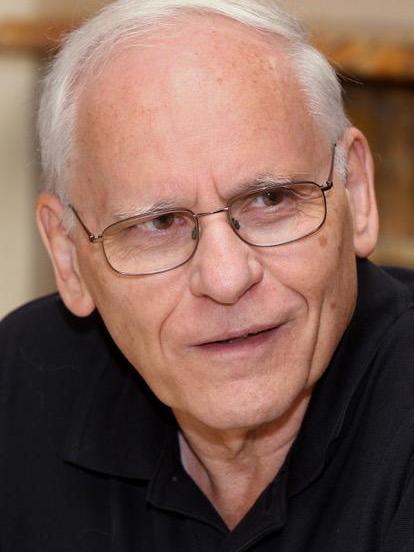
RW recently interviewed (by email) prominent sociologist Robert Wuthnow about his new book, The Religious Left: What It Does and What It Can Do Better (New York University Press, $30). Wuthnow looks at how, despite its current low visibility, the religious left’s contributions have been substantial, though not always successful.
September 24, 2026
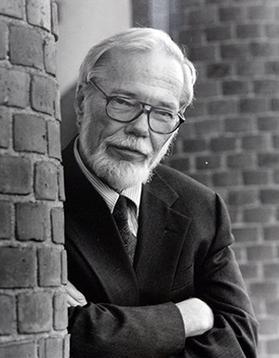
Protestant “postliberalism,” marked by its critique of liberal theology, is a diminishing presence in mainline Protestantism, leaving the field open for postcolonial and liberationist theologies to dominate seminaries, writes Dale Coulter in his newsletter The Protestant Mind (August 11).
September 24, 2026
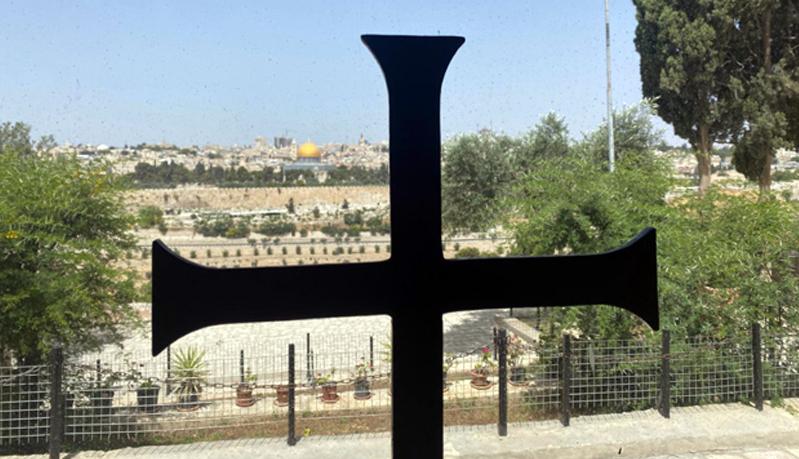
Christian Zionism has started to shift away from dispensationalism, the doctrinal framework holding to a premillennial return of Christ and the place of Israel in biblical prophecy, to other theological perspectives, writes Dale Coulter in his newsletter, The Protestant Mind (August 25).
September 24, 2026

A new study finds that while American teenagers and young adults use digital media constantly to find comfort, explore belief, and stay connected across every tradition, these digital resources supplement rather than supplant in-person communities and the trusted people—faith leaders, parents, peers—they still turn to for guidance.
September 24, 2026

The use of Buddhism in foreign policy is practiced not only by China and India but also by smaller states like Bhutan and Singapore, writes Jack Meng-Tat Chia in The Diplomat (August 5).
September 24, 2026

The current issue of the Journal of Global Buddhism (27:1) features a symposium on Buddhism and sexual abuse, suggesting that this topic has assumed critical and global proportions in Buddhist circles.
September 2, 2026
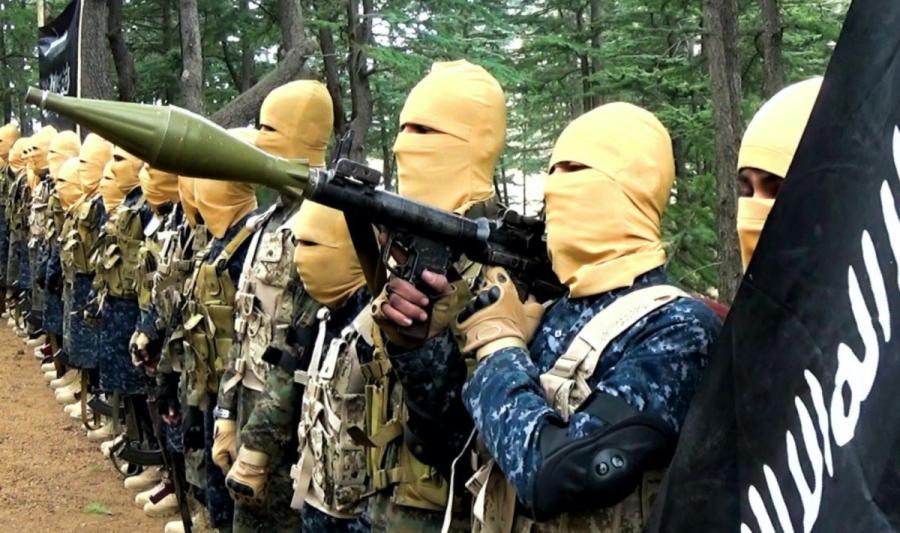
Many of the kinds of groups, leaders, and strategies that were present before major jihadist terrorist attacks in the past, including 9/11, are again finding a following, writes Sara Harmouch in the Terrorism Monitor (July 16).
September 2, 2026
A new kind of “brainwashing” theory is making the rounds in anti-cult groups and even being employed by governments and courts to target new religious movements (NRMs), write Marco Respinti and Massimo Introvigne in the newsletter Bitter Winter (July 2).
September 2, 2026
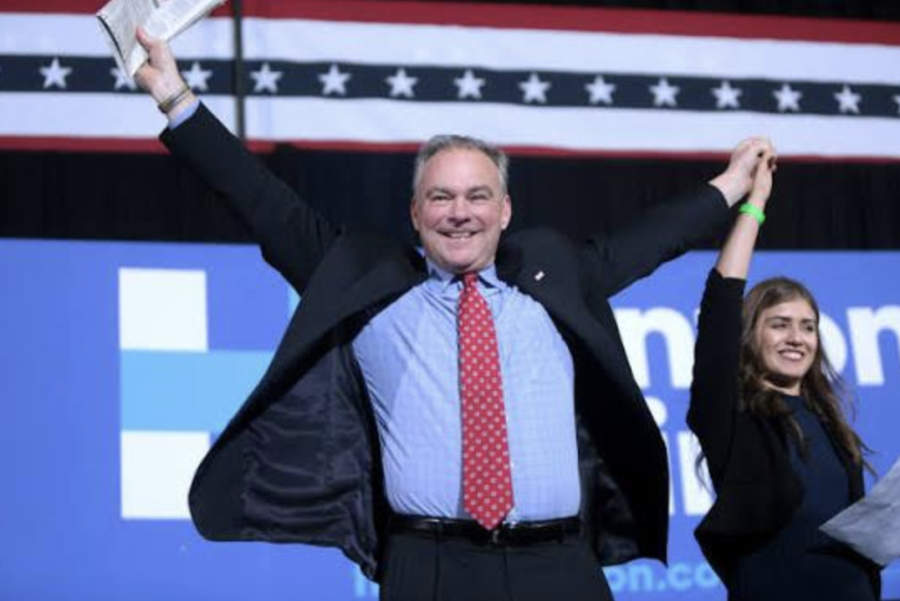
While liberal Democrats have struggled to appeal to religious Americans, “an increasing number of Democratic office holders and candidates in upcoming elections are no longer apologetic about their personal faith.
September 2, 2026
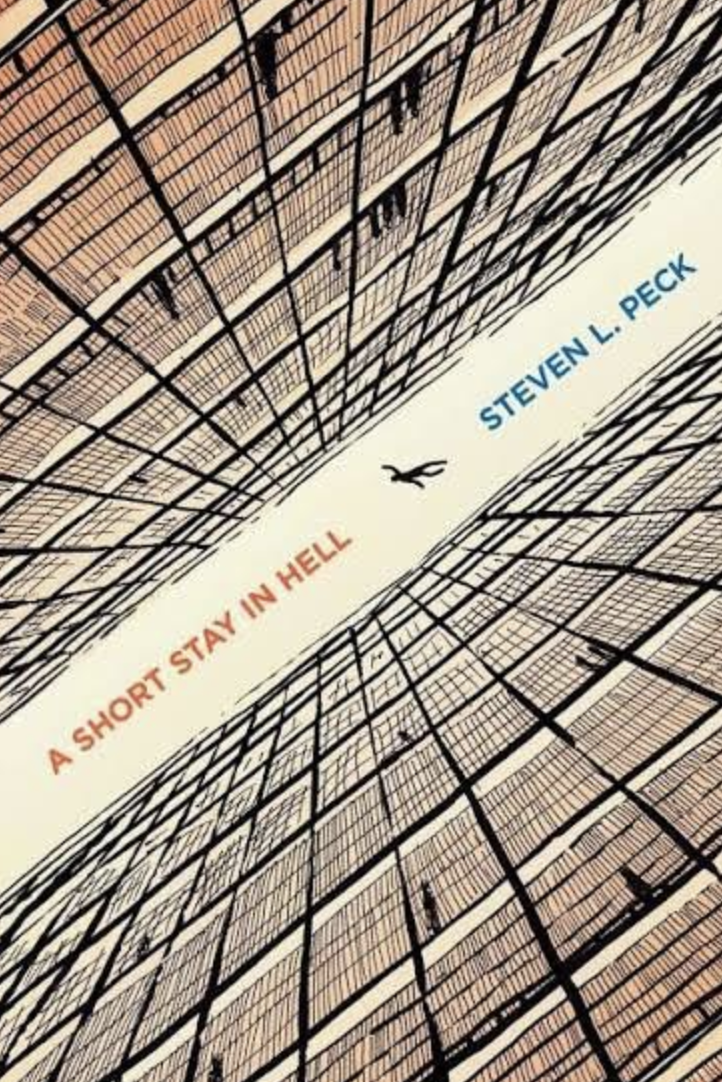
Mormon book culture has changed from producing mainly popular romance and fantasy literature to now including high-end literary works, writes James Goldberg in the LDS Substack newsletter Wayfare (June 29).
September 2, 2026
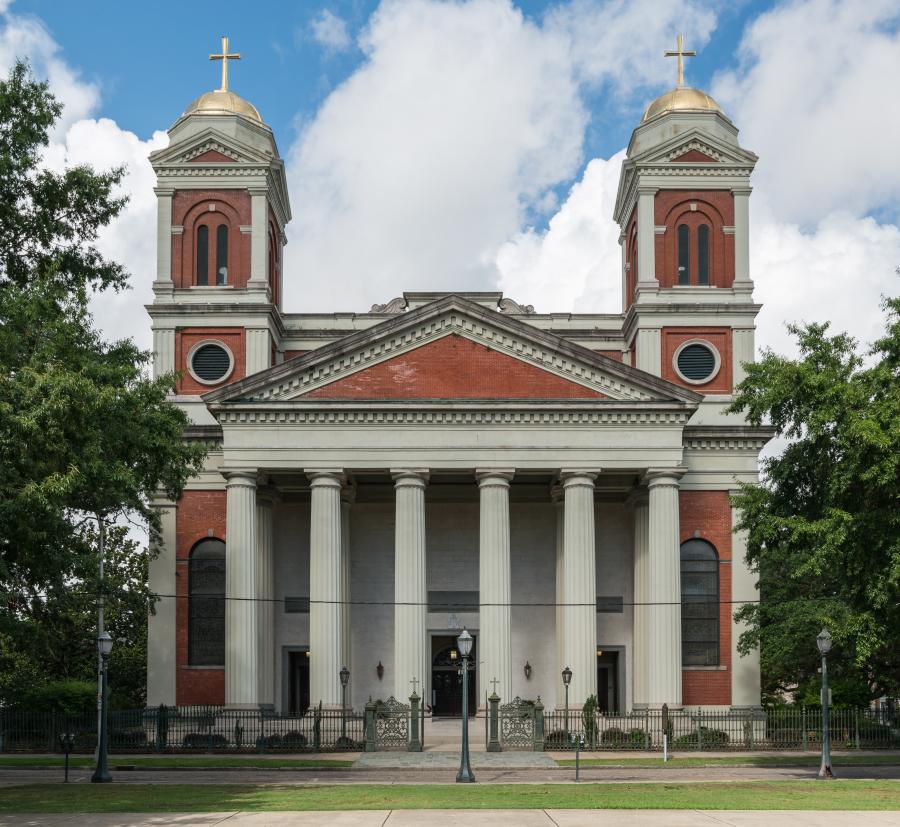
The trickle of Catholics moving to the U.S. Southeast has become a steady stream in recent years, resulting in an expansion of Catholic building and infrastructure in this region, reports Gigi Duncan in the National Catholic Register (July 9).
September 2, 2026
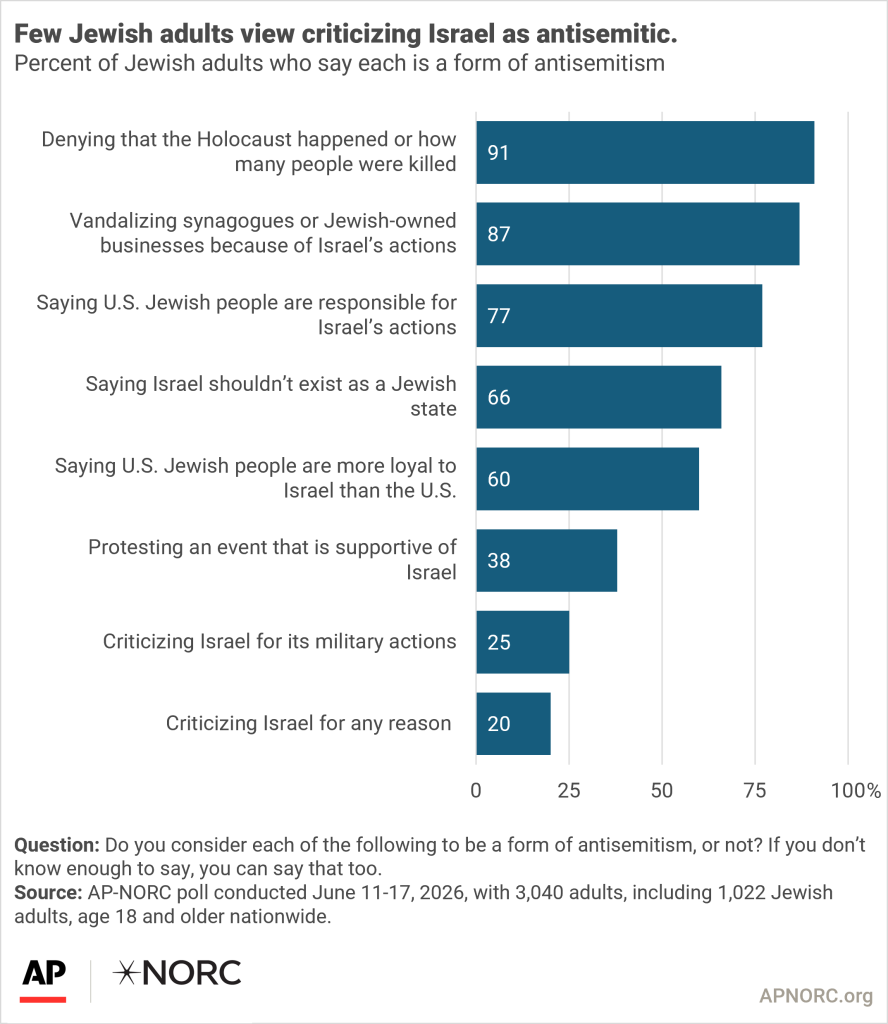
Many Jewish Americans feel unsafe, with a majority saying they feel less safe than they did before October 7, 2023, according to an AP-NORC survey.
September 2, 2026
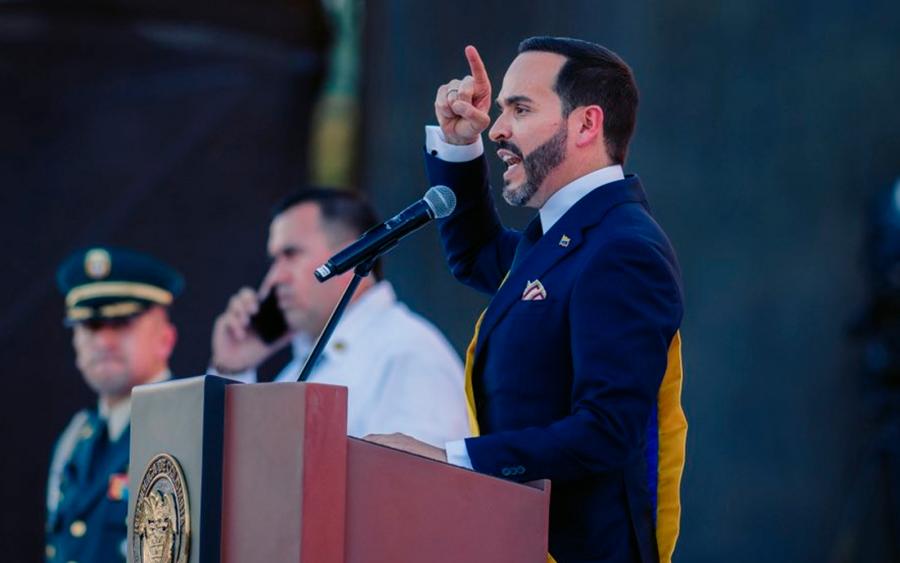
The recent close elections of conservative populist candidates in Peru and Colombia suggest a new injection of Catholicism into polarized Latin American societies.
September 2, 2026

Tensions between American evangelicals and their European counterparts have simmered for years, but they have recently intensified, mainly over political questions, writes Paul Marshall in Religion Unplugged (July 15).
September 2, 2026
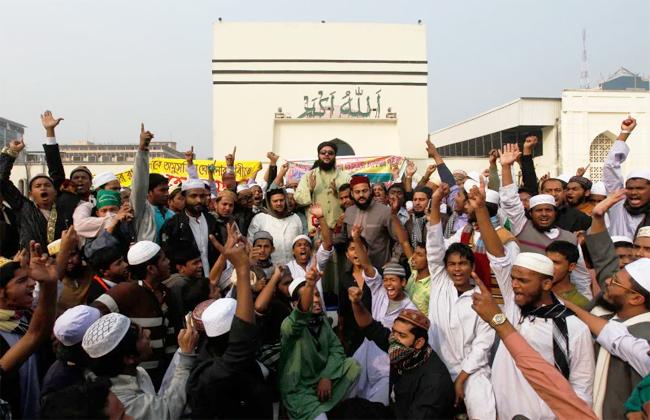
The UK Ahmadiyya Muslim community has recently embraced a more activist stance for religious freedom while expanding worldwide, according to reports.
September 2, 2026
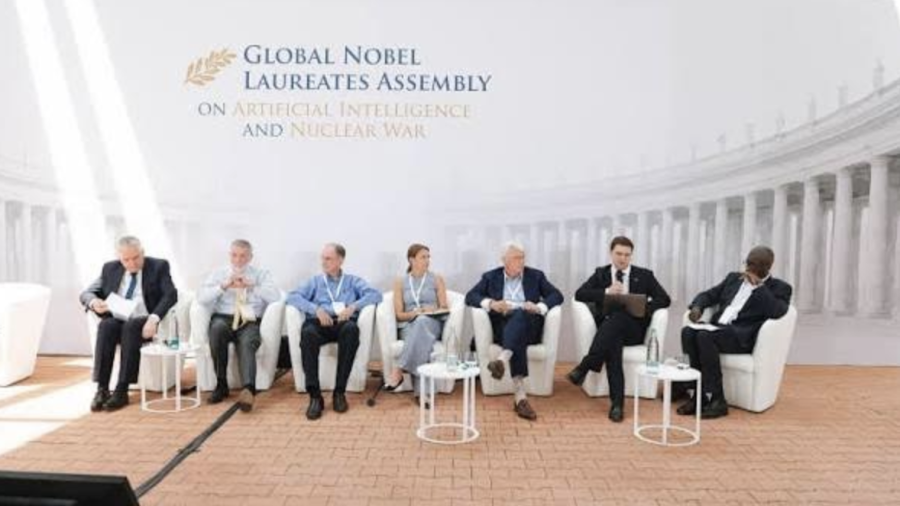
On July 16, the Global Nobel Laureates Assembly on Artificial Intelligence and Nuclear War culminated with the signing of the Rome Declaration, “Humanity at the Threshold: A Declaration on Artificial Intelligence and Nuclear Weapons.”
July 21, 2026
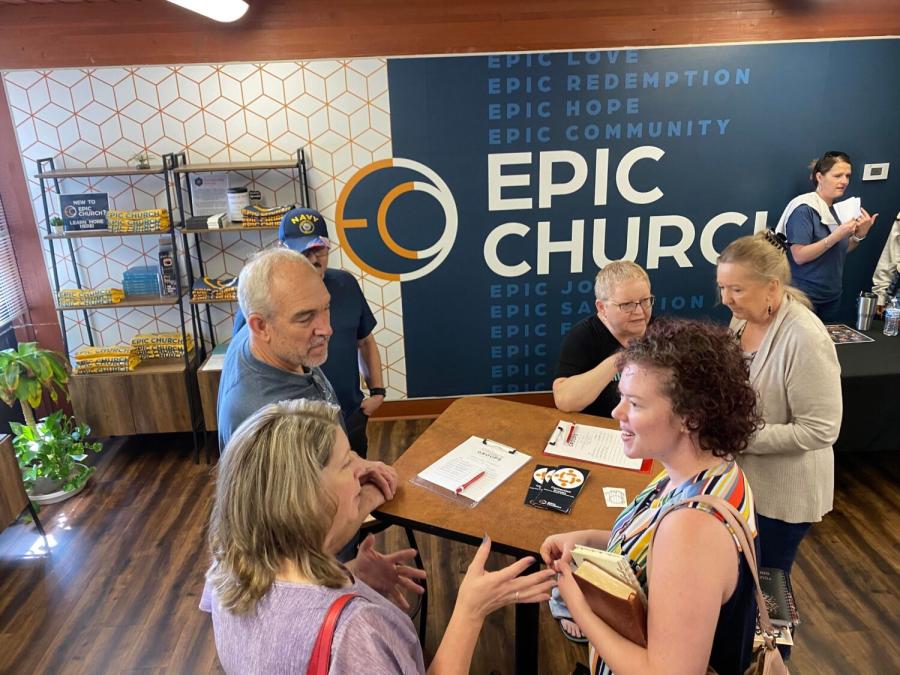
“What began with marquee names like Peter Thiel and Y Combinator’s Garry Tan being public about their faith has started bleeding into other areas of the tech industry.
July 21, 2026
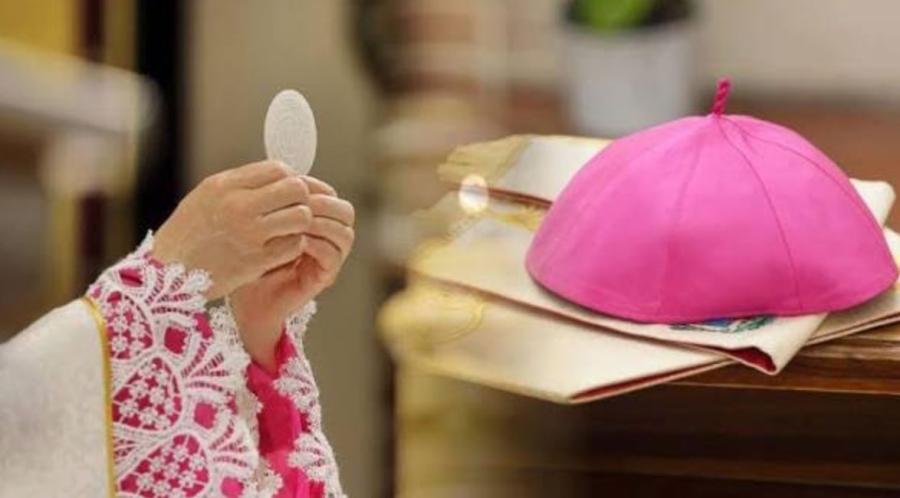
The day following the episcopal consecrations of four priests by the two remaining bishops of the Society of St. Pius X (SSPX) at Ecône (Switzerland) on July 1, all six bishops have been excommunicated by Rome as schismatics, through a decree stating that clerics and laypeople who formally adhere to the schism place themselves in the same situation.
July 21, 2026

While Muslim soccer players have entered elite ranks and have long observed their faith on the field and off, this year’s World Cup shows how soccer is no longer “the sole purview of Christendom...[S]occer has peacefully and with little fanfare become a game shared between the world’s two and a half billion Christians and two billion Muslims.
July 21, 2026
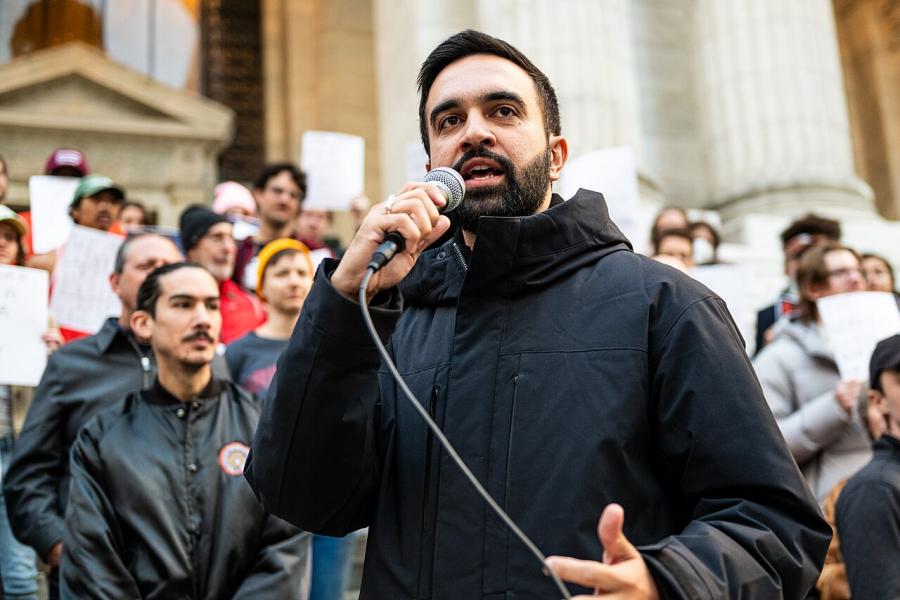
While only a distinct minority of American Muslims embrace Islamism, the ideology seeking to capture state power in order to impose Islamic law and rejecting any separation between religious authority and political life, younger, more assimilated Muslims are increasingly drawn to political radicalism, writes Reihan Salam in the Free Press (June 23).
July 21, 2026

The lucrative market of celebrity- and influencer-endorsed beverages has expanded into religious branding with the emergence of dedicated Christian energy drinks, writes Lydia Bugg in The Guardian (June 4).
July 21, 2026

A new study of multi-religious identity shows that up to 60 percent of Americans believe in more than one religion.
July 21, 2026
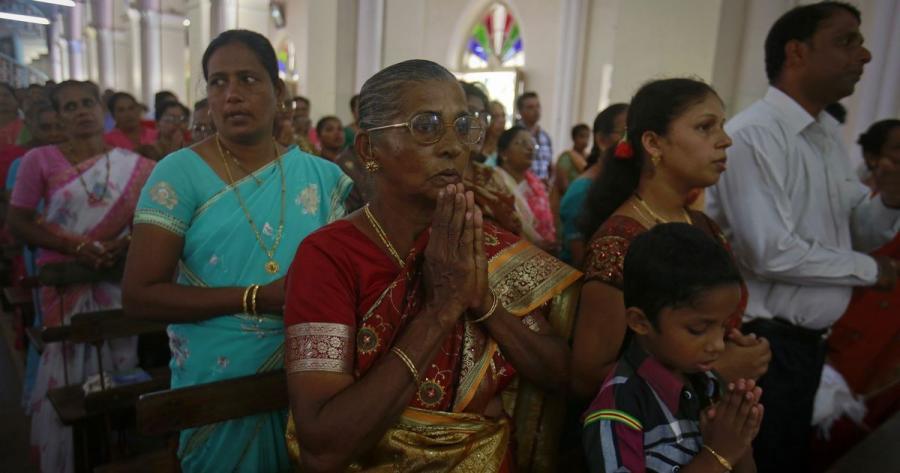
Alongside similar measures across the country, a new anti-conversion law in the Indian state of Maharashtra is making it increasingly difficult for Indians to change their faith, reports Ulrich von Schwerin in Neue Zürcher Zeitung (June 16).
July 21, 2026
A forthcoming issue of the journal Social Compass (articles online in June) is devoted to Witchcraft 2.0, meaning witchcraft adapted to digital technology and social media.
July 21, 2026

Freedom Con, a gathering of evangelical men, is associated with the Promise Keepers, an evangelical men’s ministry, adding a more populist and politically conservative approach to its program.
June 12, 2026

While the content of Pope Leo’s encyclical Magnifica Humanitas has received widespread attention and commentary [more on that in a forthcoming issue of RW], it is almost as noteworthy to consider the way the document positions the Catholic Church as an influential player in the debate over a technology that is so contested and open-ended.
June 12, 2026
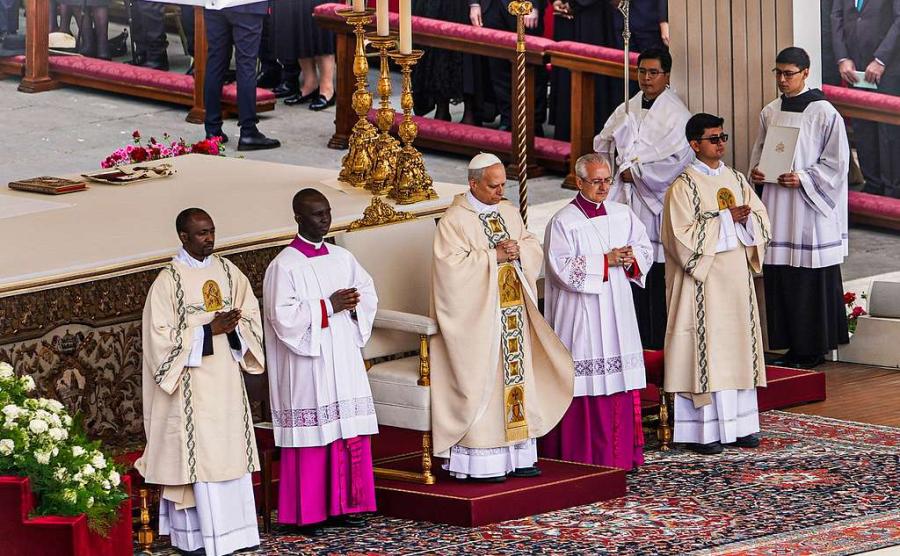
In an analysis of Leo XIV’s first appointments published on the leading French geopolitical website Le Grand Continent (May 7), historian Jean-Benoît Poulle (Sorbonne University) argues that the new pope is reshaping the church’s leadership slowly but deeply, consolidating rather than reversing the shift initiated by the late Pope Francis while imposing a more deliberate, traditional, and synodal style of governance.
June 12, 2026
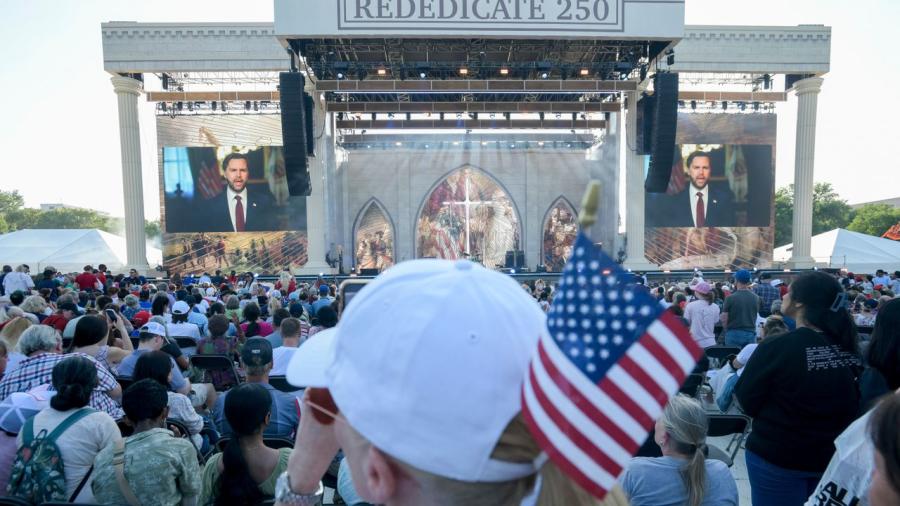
The media and other observers have struggled to put a face on Christian nationalism and Christian populism, but Pentecostal-Charismatic and Baptist traditions come closest to filling that niche, writes Dale Coulter in the newsletter The Protestant Mind (May 26).
June 12, 2026
Sexual abuse by Orthodox clergy occurs worldwide but remains largely unstudied and shrouded in silence, writes Hermina Nedelescu, a neuroscientist and theologian at the Graduate Theological Union in Berkeley, in an article published in German in Religion and Gesellschaft in Ost und West (May).
June 12, 2026

While the Boy Scout movement has secularized and lost members in the last decade, more religious scouting programs have emerged in the U.S. and Europe, writes Christopher Motz in First Things magazine (June/July).
June 12, 2026

Radical human enhancements, such as genetic treatments for improving and changing inborn traits, face the strongest opposition from church-attending conservative Protestants and receive the most support from atheists and agnostics, according to the first-ever survey on the U.S. religious public’s views on the issue.
June 12, 2026
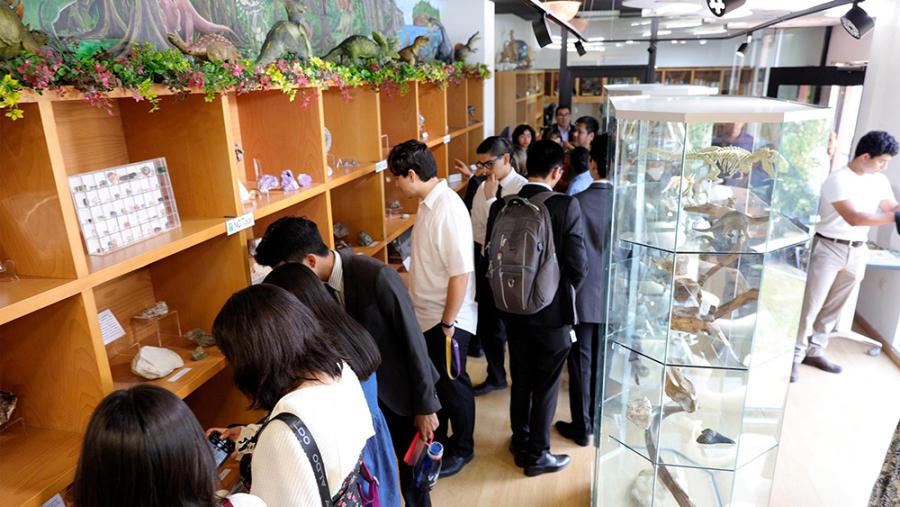
Seventh-Day Adventist creationist museums are outpacing evangelical ones and rapidly spreading in Latin America, writes Irina Podgorny in the current issue of the religion and science journal Zygon (March).
June 12, 2026
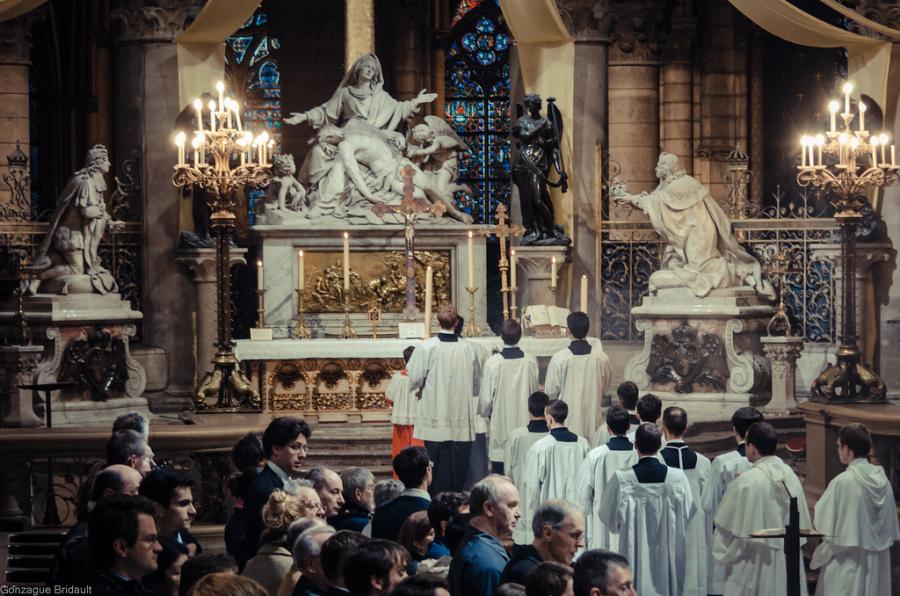
Published in the French Catholic weekly La Vie (May 22), an article by Timothée de Rauglaudre reports on the discreet and somewhat paradoxical phenomenon of left-leaning Catholics—anticapitalists, ecologists, and LGBTQ people among them—who are drawn to the traditional Latin (Tridentine) Mass, a rite often associated with the political right.
June 12, 2026
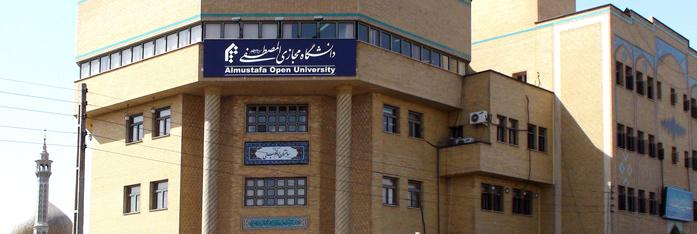
The current wars in Iran have interrupted its sponsorship of Shi‘ite higher learning worldwide, with the many schools with Iranian ties in Europe facing new tensions.
May 27, 2026
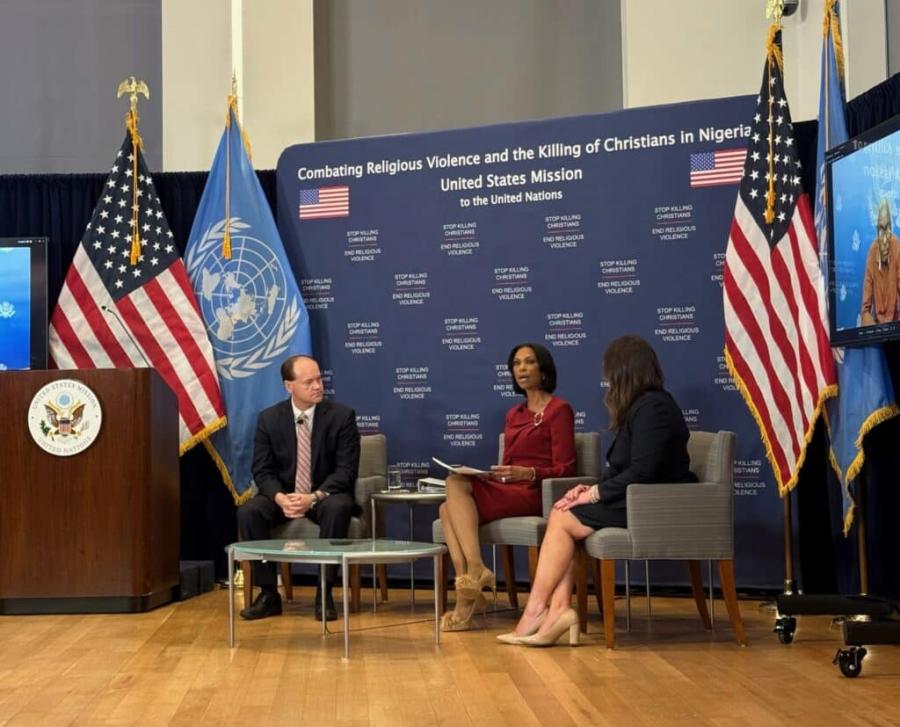
Sources of data and research methodologies concerning anti-Christian violence in Nigeria have become a bone of contention between religious freedom advocates and secular academia, the media, and humanitarian workers in the West, writes Dennis Petri in his Substack newsletter Five4Faith (April 17).
May 27, 2026
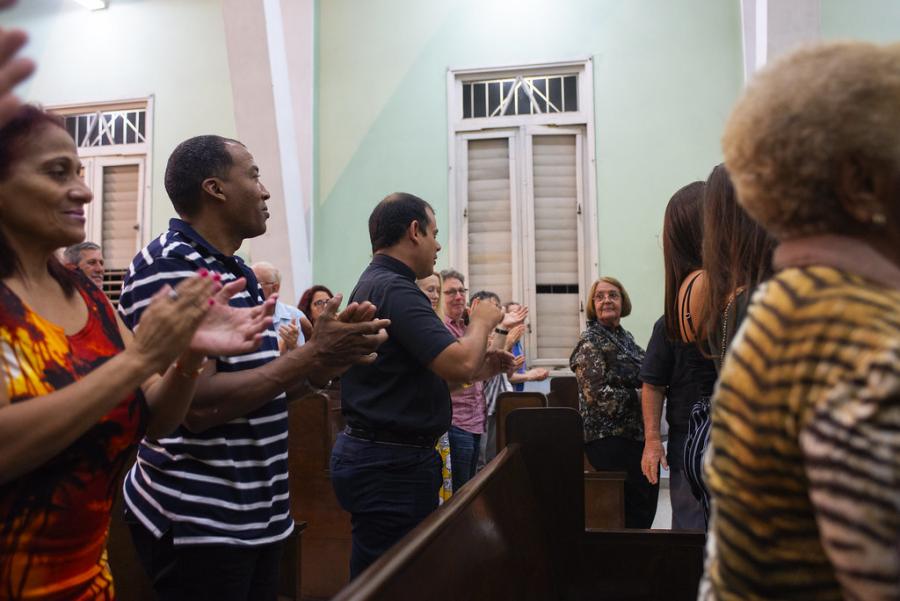
Sephardic Judaism, with its emphasis on maintaining tradition and peoplehood over mainstream acceptance and freedom, is poised to overtake Ashkenazic Jews in shaping the Jewish presence in the U.S., particularly after October 7 and the rise of anti-Semitism, writes Mijal Bitton in the current issue of the journal Sapir (Winter).
May 27, 2026

Mining in sacred lands in the U.S. and Australia is drawing new conflicts and creating unusual alliances between conservative religious-liberty groups, radical environmentalists, and some Native American tribes, writes sociologist Barry Kosmin in Free Inquiry magazine (February/March).
May 27, 2026
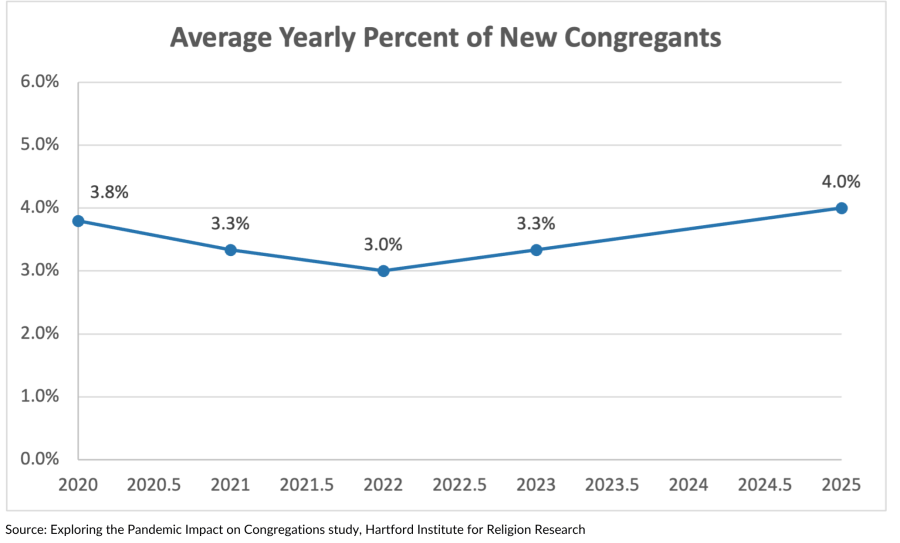
Five years after the disruptions of Covid-19, most attenders remain consistently engaged or have increased their congregational attendance, with a significant 38 percent of attenders joining their current church after the pandemic began, according to a new study.
May 27, 2026
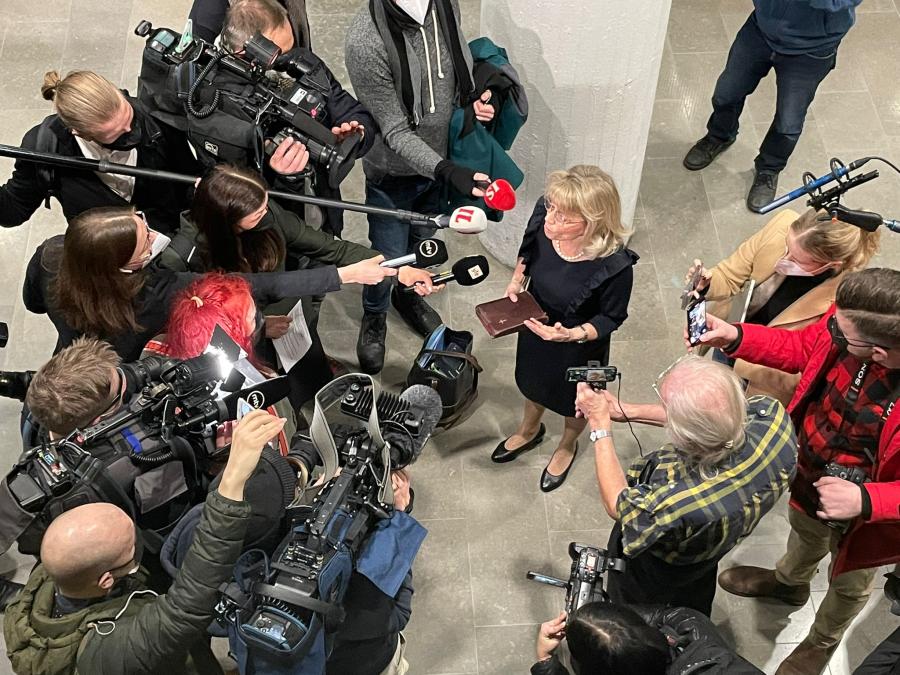
Recent “hate speech bills” and prosecutions of religious and political figures accused of discrimination in Canada and Europe may be evidence of “increasing intolerance in secular Western regimes,” writes religious-freedom activist Paul Marshall in the news service Religion Unplugged (March 31).
May 27, 2026
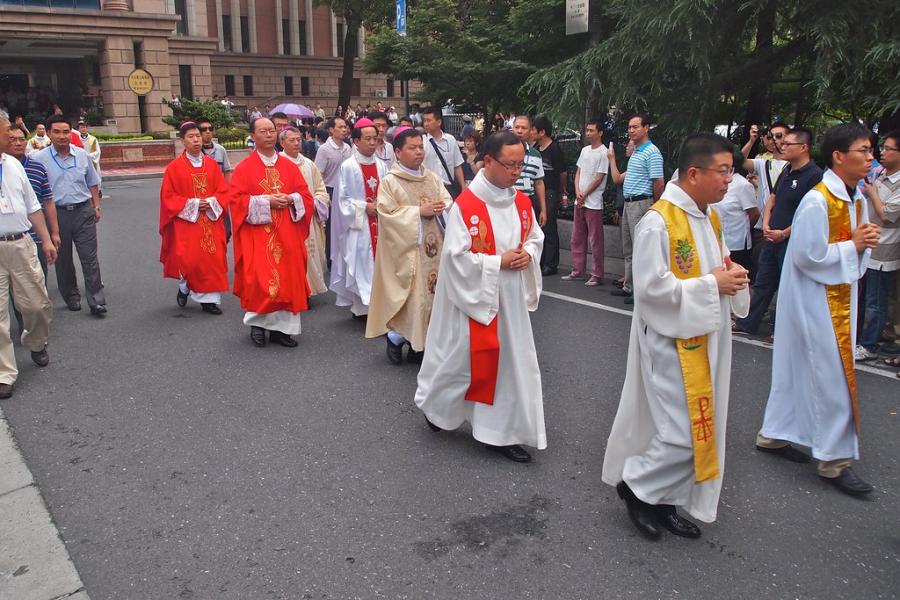
China’s state authorities are exerting greater pressure on the country’s underground Catholics to join government-approved organizations, according to reports.
May 27, 2026
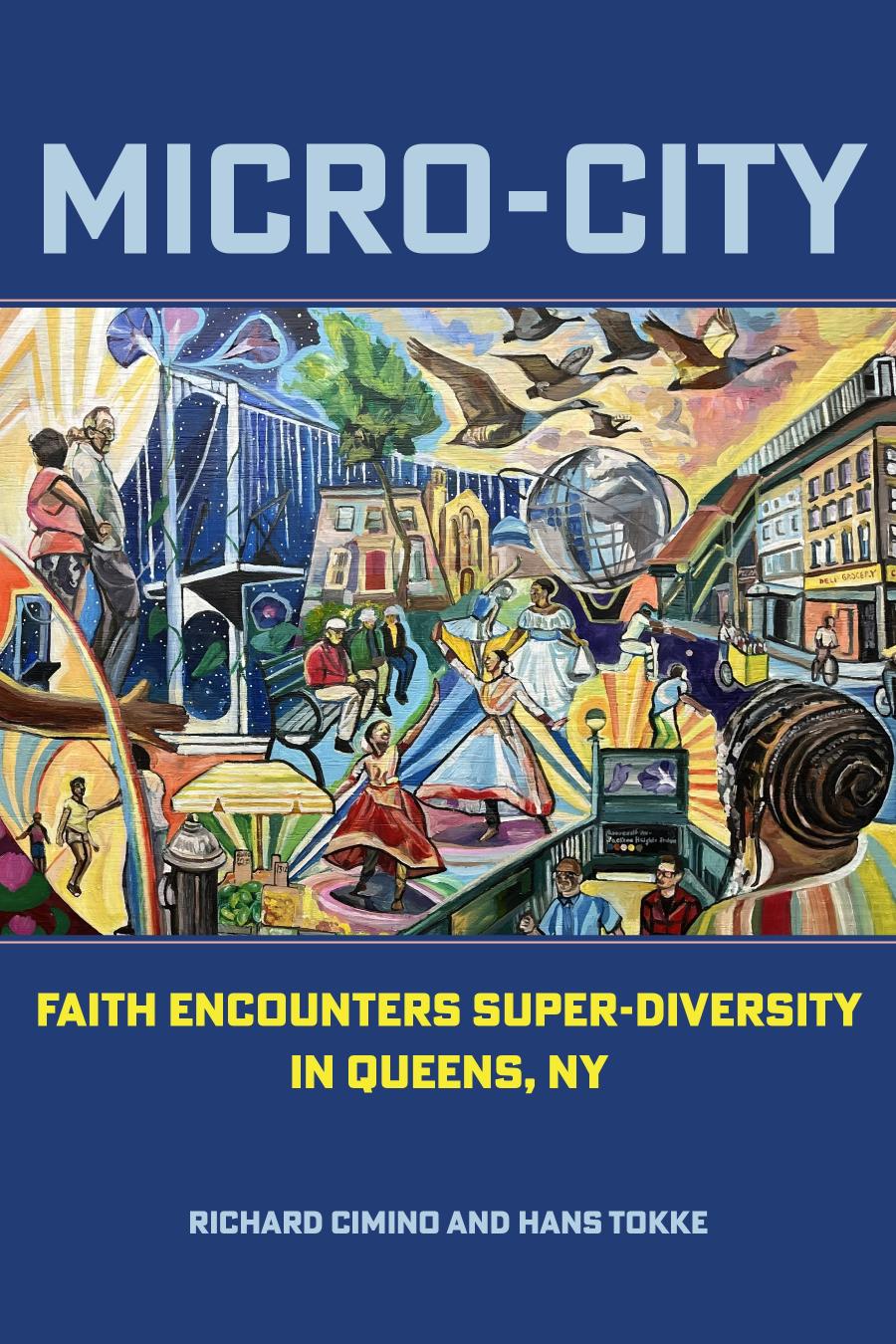
Micro-City: Faith Encounters Super-Diversity in Queens, NY (Fordham University Press, $35), co-authored by RW’s editor Richard Cimino and Hans Tokke, is an in-depth investigation into the effects of ethnic and religious pluralism on congregations.
May 27, 2026

The College of St. Joseph the Worker in Steubenville, Ohio, is a new kind of Catholic college blending training in the trades with liberal arts into a conservative Catholic framework.
May 11, 2026
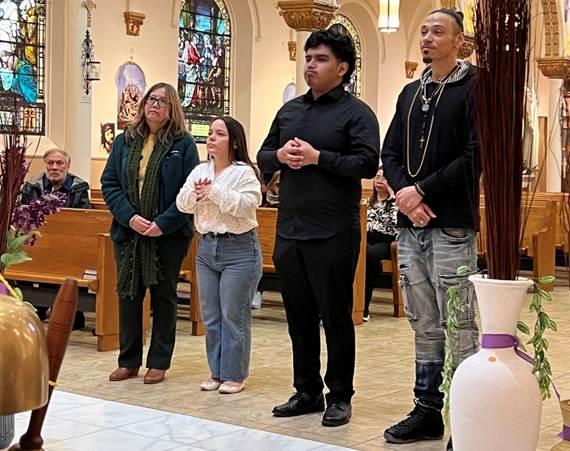
While talk of a national revival is seen as an exaggeration, church leaders and other observers are now claiming that “regional revivals” in American Catholicism are taking shape.
May 11, 2026
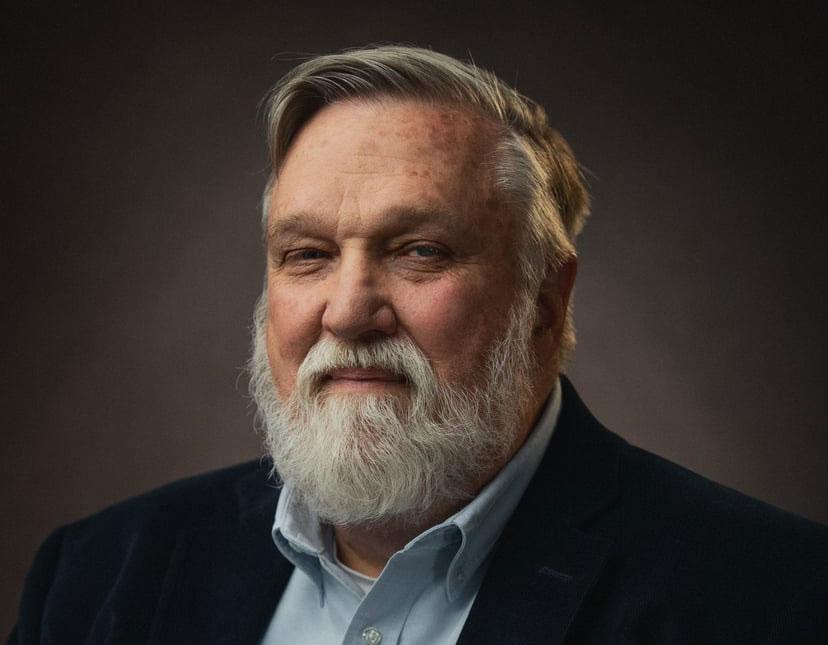
Idaho Reformed preacher Doug Wilson drew fire in March for calling Catholic Marian and Eucharistic processions “idolatrous” and saying that in a Protestant America they should be outlawed.
May 11, 2026
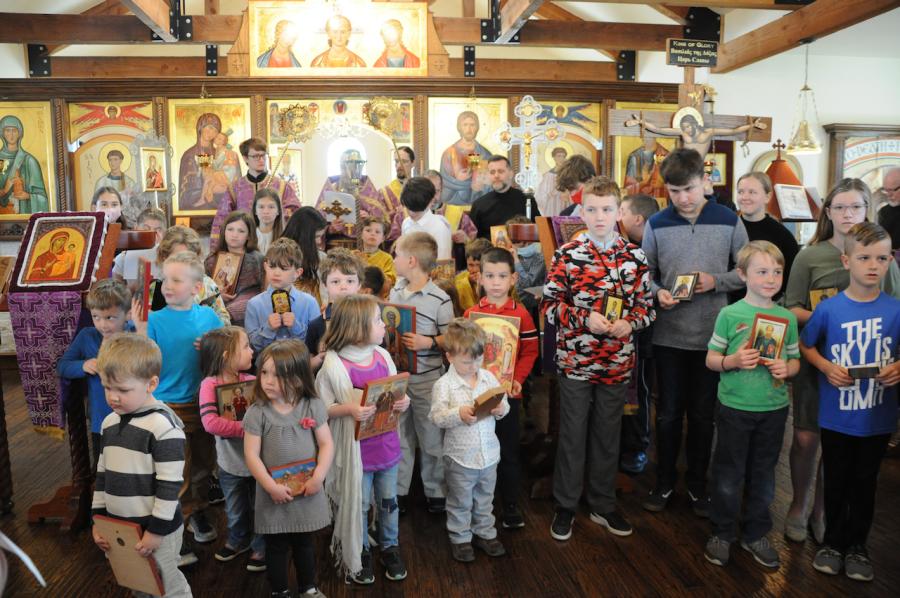
The documented growth of Eastern Orthodoxy in America, with a large wave of young adults, especially men, joining the faith, is leading to a related wave of homeschooling Orthodox families.
May 11, 2026

In its series of reports on denominational statistics, the Substack newsletter Graphs about Religion (March 12) notes that the United Church of Christ (UCC) stands out for its lack of positive indicators.
May 11, 2026
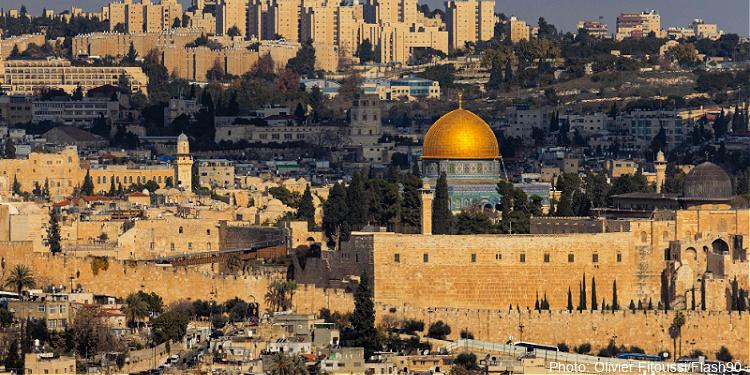
The Temple Mount in Jerusalem has shifted from a site of Jewish radicalism to a more politically moderate pilgrimage site with a greater role in religious Zionism.
May 11, 2026
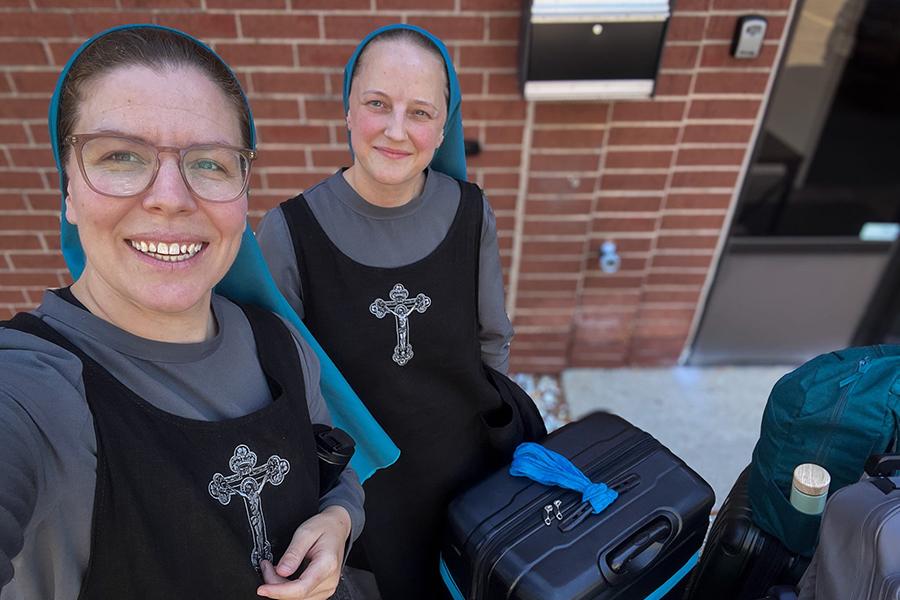
Two American Catholic sisters who experienced spiritual abuse firsthand have founded a new religious order dedicated to accompanying Catholics who have been hurt, scandalized, or driven away by the church's long-running abuse crisis, reports Maggie Phillips in The Dispatch (March 11).
March 16, 2026
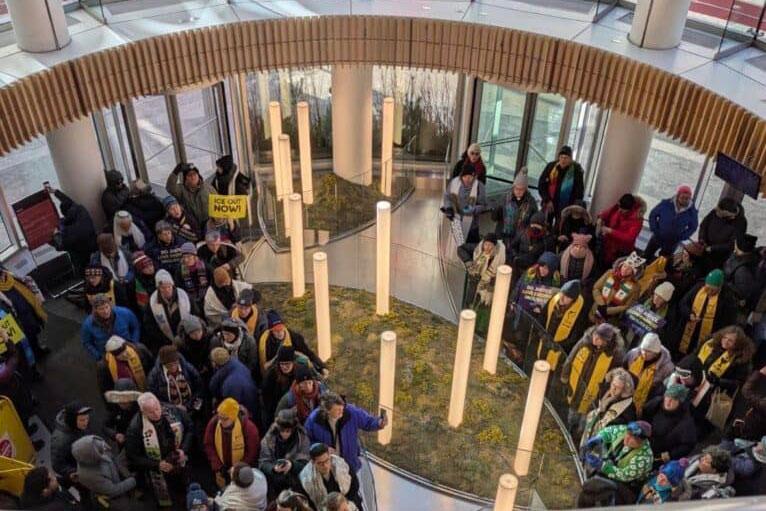
Resistance to the Trump administration, especially over its policy and actions on immigration, has injected new vitality into the religious left, although the staying power of such activism remains to be seen, according to reports.
March 16, 2026

America is “in the middle of a second Mormon moment,” this time led by a cadre of women influencers and reality TV stars, some of whom are ex-members of the Latter-day Saints.
March 16, 2026

While the secular “literary ecosystem” is in decline, a Christian book culture seems to be thriving. Publications with a distinct Christian identity that feature book reviews and review essays are numerous and increasing.
March 16, 2026
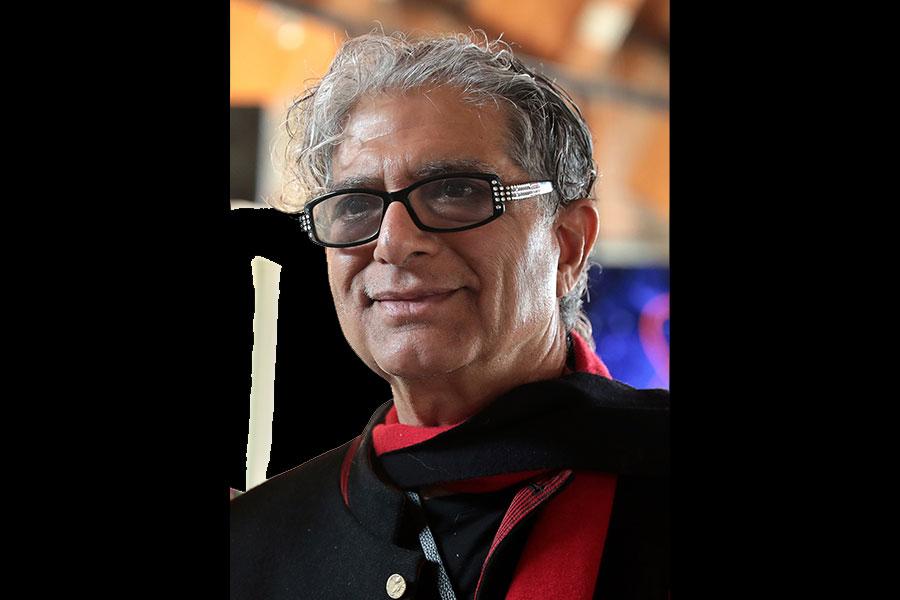
The controversy over the associations of well-known leaders and figures with Jeffrey Epstein has reached the New Age and wellness movements, resulting in cancellation but also recognition of the need to find new ways to hold leaders accountable for their behavior.
March 16, 2026

The surge of converts to Eastern Orthodoxy in the U.S. is meeting a decades-old shortage of Orthodox priests. Since the 1990s, there have been reports and planning commissions to address the Orthodox clergy shortage in most jurisdictions.
March 16, 2026
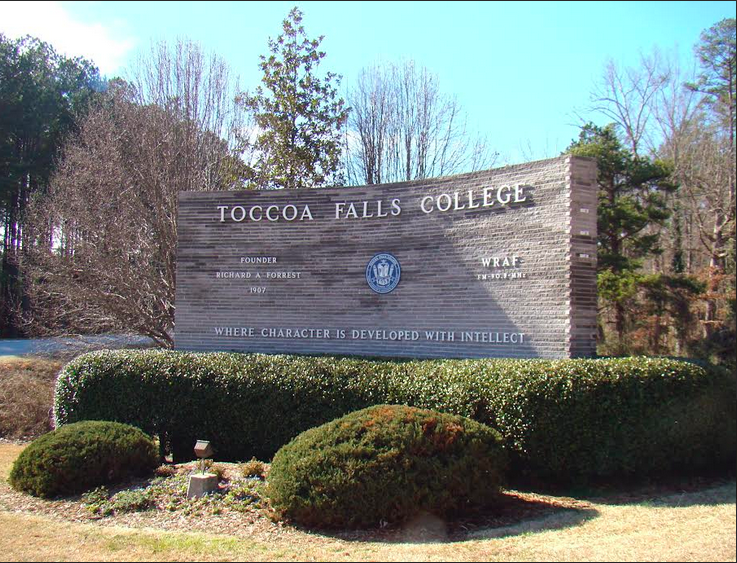
Christian higher education (CHE) is still growing, unlike its broader state and secular counterparts, according to new enrollment data from the 2024 Integrated Postsecondary Education Data System.
March 16, 2026
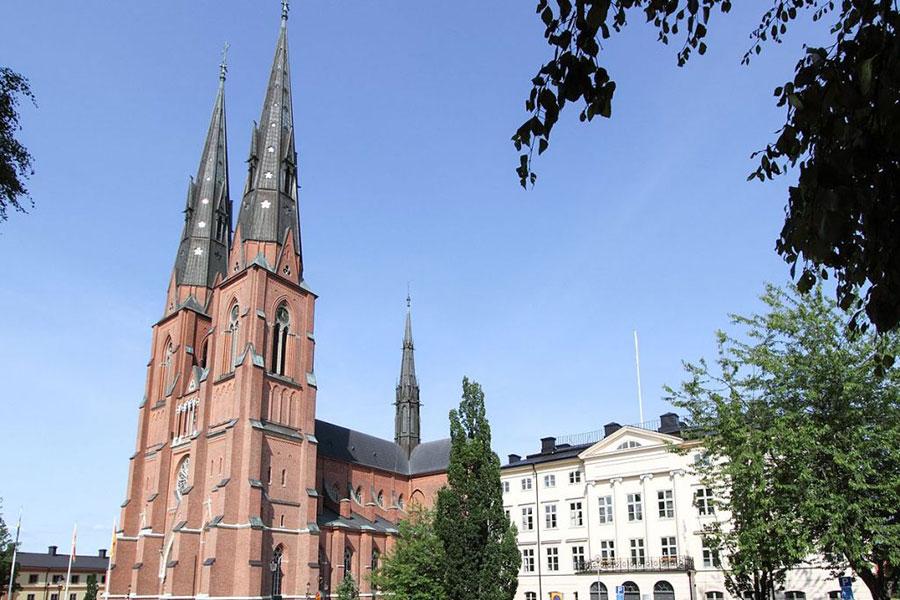
Secularism appears to be losing ground in Sweden, though like other countries, it is too soon to say that religion is overshadowing non-belief, writes Joel Halldorf in the online newsletter of the Christian journal Comment (January 8).
March 16, 2026
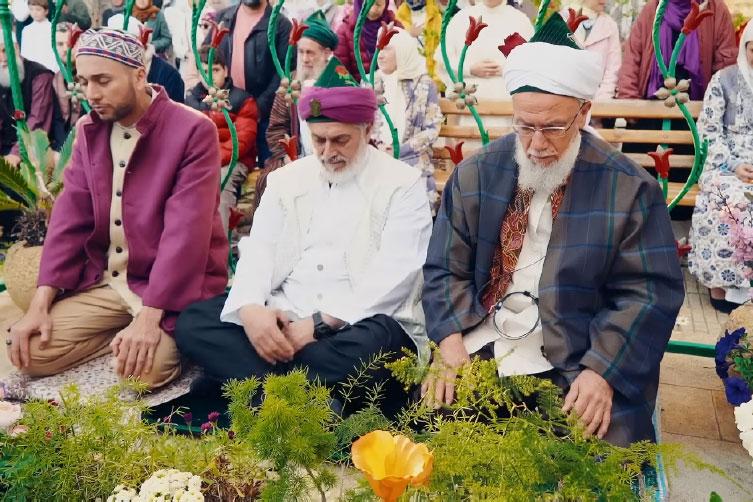
In Central Asia, some Sufi groups are attempting to balance “the preservation of tradition with the demands of digital culture.
March 16, 2026
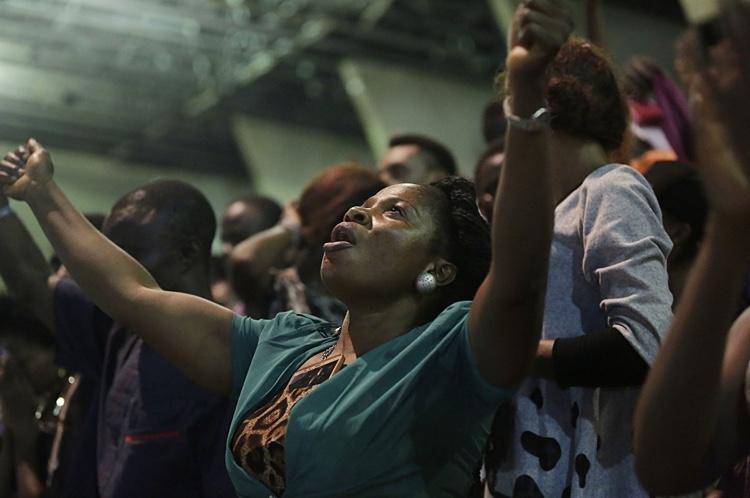
In addition to the impact of members switching affiliations, Pentecostalism has been reshaping traditional Protestant churches in Nigeria through their adoption of Pentecostal practices.
March 16, 2026
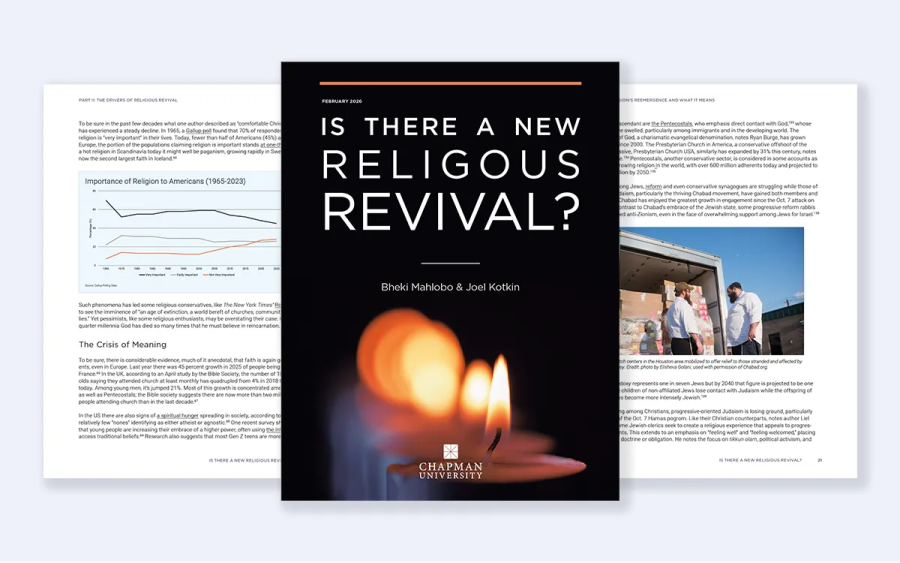
Scholars, practitioners, and laypeople continue to argue about whether a religious revival is afoot, both in the U.S. and abroad.
March 16, 2026
Project Blitz, an initiative created by the Congressional Prayer Caucus Foundation, Wallbuilders, and the National Legal Foundation, is one of the more influential efforts of the ambiguous Christian nationalist movement.
February 13, 2026
February 13, 2026
February 13, 2026
February 13, 2026
February 13, 2026
February 13, 2026
February 13, 2026
February 13, 2026
February 13, 2026
February 13, 2026
January 13, 2026
January 13, 2026
January 13, 2026
January 13, 2026
January 13, 2026
January 13, 2026
December 12, 2025
December 12, 2025
December 12, 2025
December 12, 2025
December 12, 2025
December 12, 2025
November 17, 2025
November 17, 2025
November 17, 2025
November 17, 2025
November 17, 2025
November 17, 2025
October 6, 2025
October 6, 2025
October 6, 2025
October 6, 2025
October 6, 2025