

Sacred-land activism spreading and galvanizing new coalitions in Australia, U.S.
Mining in sacred lands in the U.S. and Australia is drawing new conflicts and creating unusual alliances between conservative religious-liberty groups, radical environmentalists, and some Native American tribes, writes sociologist Barry Kosmin in Free Inquiry magazine (February/March). The conflict between indigenous tribes and mining industries over claims of infringement of sacred lands has played out longer in Australia, where legislation protecting Aboriginal sacred land was passed in 1965. In 2025, the state authorities in western Australia had given approvals to mining projects without making a deal on land use with the local aboriginal tribes. This resulted in $1.1 billion in compensation to the tribes for threatening 285 archeological and “dreaming” sites (although western Australia offered only $10 million). Similar issues are now emerging in the U.S., as seen most recently in an ongoing legal battle over mining in Oak Flat, Arizona, a federal site housing the world’s second-largest untapped deposit of copper ore, according to Kosmin.
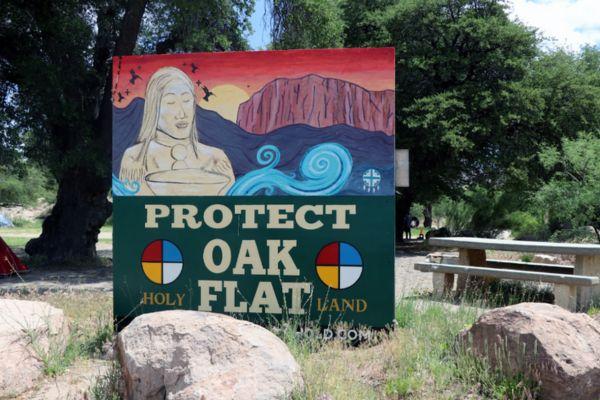
Religious-freedom activists, environmental activists, and some Apache tribes are citing the Religious Freedom Restoration Act’s guarantee of believers’ rights to protect this land, which is considered sacred and a site for Apache religious ceremonies. There are also Apache who want the benefits of the land deal and are challenging the religious claims. The Supreme Court declined to hear the case and the government illegally transferred the sacred site overnight, taking one more step towards the destruction of Oak Flat. An April 22 press release from the religious-freedom group, the Becket Fund, notes that the coalition pressing for Oak Flat’s preservation has returned to lower courts to reverse the illegal transfer of the sacred lands. The release cites a recent survey showing that 71 percent of Americans support protecting Oak Flat. “Given Native American beliefs, similar to the Aborigines, that forests, rivers, and mountain ranges are sacred, if the religionists win their case, there is potential for whole swaths of the western United States to be closed to needed infrastructure projects,” Kosmin concludes.
(Free Inquiry, P.O. 664, Amherst, NY 14226)