

Speaking different languages: The SSPX after the 2026 consecrations
The day following the episcopal consecrations of four priests by the two remaining bishops of the Society of St. Pius X (SSPX) at Ecône (Switzerland) on July 1, all six bishops have been excommunicated by Rome as schismatics, through a decree stating that clerics and laypeople who formally adhere to the schism place themselves in the same situation. Despite Pope Leo XIV’s last-minute admonition to the Society not to proceed with the consecrations, the outcome had been foreseen for months. At this early stage, a few observations can be shared, based on various comments by religion correspondents and experts (as of July 2). First, Mikael Corre notes in La Croix (July 2) that Leo has aligned himself with John Paul II’s firmness toward the SSPX, moving away from the conciliatory gestures both Benedict XVI and Francis had offered. This has come after the July 1 consecrations crossed a red line with the establishment of an autonomous episcopal succession on the basis of a rationale challenging Leo’s own authority (and that of bishops in communion with him) to interpret tradition. The SSPX may discuss postconciliar developments with Rome but cannot make that discussion a precondition for obedience. In recent months, Leo has clearly affirmed that he sees the legacy of the council as a settled framework within which the church must keep moving forward.
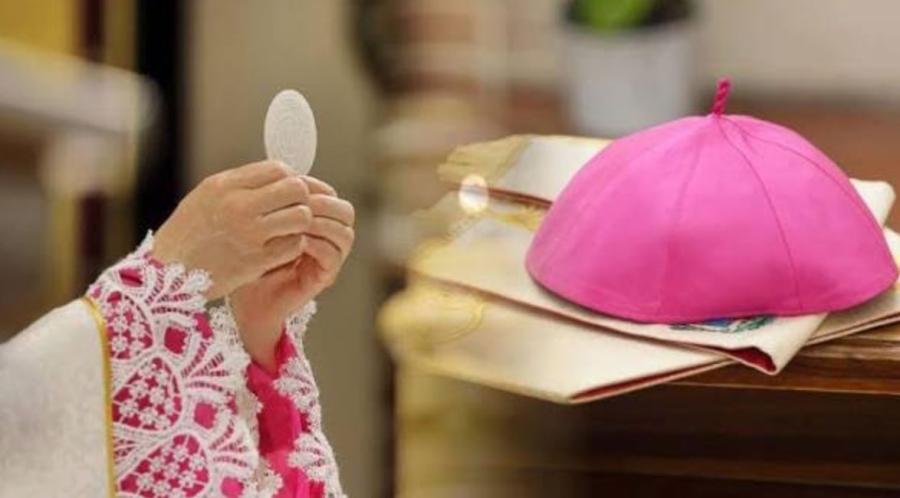
Secondly, while the consecration in 1988 of four bishops for the SSPX by Archbishop Marcel Lefebvre had led a number of priests and faithful to stop following the group and to submit to Rome while being allowed to keep the old-rite Mass, there should be significantly less people embracing that option in 2026. “For several years now, the SSPX has been preparing its rank and file for future consecrations and consolidating the faction centered on the leadership of Fr. Davide Pagliarani, whom the most hardline members had imposed as head of the SSPX in 2018,” reports Cath.ch (July 2). While in 1988 the break was experienced as a painful necessity, by 2026 an entire generation had been born and raised inside the SSPX’s own parallel institutions—chapels, schools—producing a self-sustaining subculture with its own codes. According to Rose Lyddon, writing in The Catholic Herald (July 2) after three days at Ecône, the 2026 consecrations were met not with reluctance but with unreserved enthusiasm—“finally” being the recurring word uttered by the attendees she spoke with. Third, the author of a recent book on the path followed by the SSPX, French Catholic priest and professor of canon law Albert Jacquemin, describes the Society as having become a “quasi-autonomous ecclesial structure,” organized alongside the Catholic Church even as it denies this (La Vie, June 26). Archbishop Lefebvre opposed an “eternal Rome” (pre-Vatican II) to a “modernist Rome” (post-council). According to Jacquemin, the SSPX and the Holy See use words like “Tradition” and “Rome” with incompatible definitions. During his homily at the consecrations of July 1, Fr. Pagliarani admitted the growing gap: “Unfortunately, we speak different languages, and languages which, unfortunately, with time, grow further and further apart.” Following its own path, the subculture of the SSPX may partly differ from that of many other people who attend the Traditional Latin Mass in settings permitted by Rome. According to scholars Stephen Bullivant and Stephen Cranney, who will publish a book on Americans who mainly attend Traditional Latin Masses within the mainstream church (i.e., not in chapels of the SSPX), these ordinary “trads” have not rejected Vatican II and have no objection to the current rite of the Mass, according to an article in The Pillar (June 30).