

Same substance, steadier hand: How Leo XIV is reshaping the Catholic Church
In an analysis of Leo XIV’s first appointments published on the leading French geopolitical website Le Grand Continent (May 7), historian Jean-Benoît Poulle (Sorbonne University) argues that the new pope is reshaping the church’s leadership slowly but deeply, consolidating rather than reversing the shift initiated by the late Pope Francis while imposing a more deliberate, traditional, and synodal style of governance. Two traits define the emerging “Leonine prelate.” The first is generational, with Leo promoting men of his own cohort—prelates in their 50s and 60s, still young by the standards of Vatican gerontocracy—who represent the first genuinely post-conciliar generation for whom Vatican II is a distant childhood memory rather than formative experience. The second is professional: where Francis sought pastors, Leo appoints jurists. Many new figures are canonists, fittingly for a pope trained in canon law. Poulle reads this less as a “return to normal” than a juridical consolidation of processes that Francis launched, notably in handling sexual-abuse cases—as exemplified by the appointment of Archbishop Filippo Iannone, a canonist experienced in fighting against such abuses, to the powerful Dicastery for Bishops.
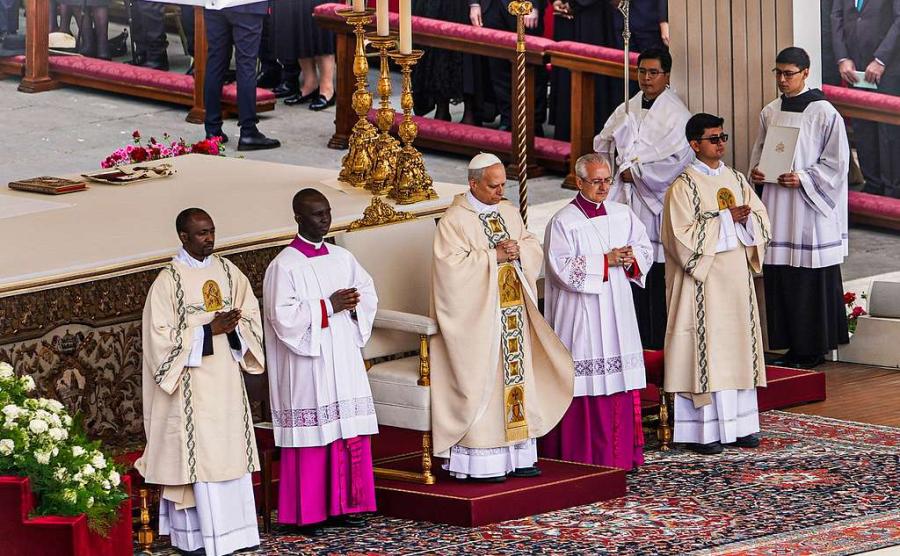
Several broader orientations confirm this continuity-with-a-difference. The curia continues to internationalize, with the global South gaining ground even as the Italian diplomatic corps remains influential. The cautious feminization begun under Francis has been paused, but Poulle judges this a tactical halt rather than a reversal, aimed at visibility and representativeness more than parity. Throughout, Leo advances prudently, declining to brusquely sideline prelates seen as less close to him (with, for example, his main competitor during the 2025 conclave, Cardinal Pietro Parolin, being kept on as secretary of state) and restoring some classical, “smooth” diplomatic career paths disrupted by Francis’s reforms. A geopolitical dimension runs through these choices. The appointments of a new apostolic nuncio to Washington (Archbishop Gabriele Caccia, a veteran of multilateral diplomacy) and a new archbishop of New York (the measured Ronald Hicks) signal a defense of international law and migrants against the Trump administration, sharpening the quiet contest between the White House and the Apostolic Palace. Around him Leo gathers a close, personally familiar inner circle—often fellow Augustinians or Peruvians from his Chiclayo years—while in Rome he has quietly undone some of his predecessor’s more idiosyncratic moves, restoring diocesan structures Francis had abolished. The portrait is of a pope pursuing the same substance with a steadier, more codified hand.