

The religious left: substantial contributions but weak at its base. An interview with Robert Wuthnow
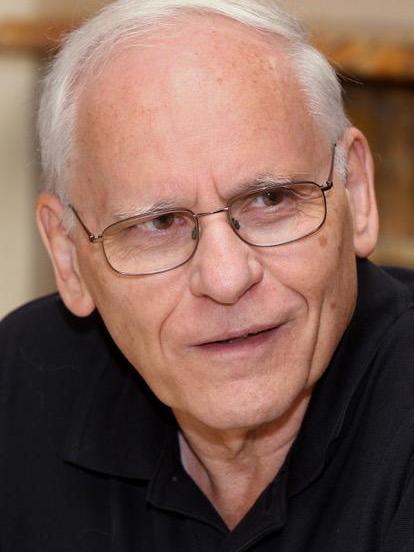
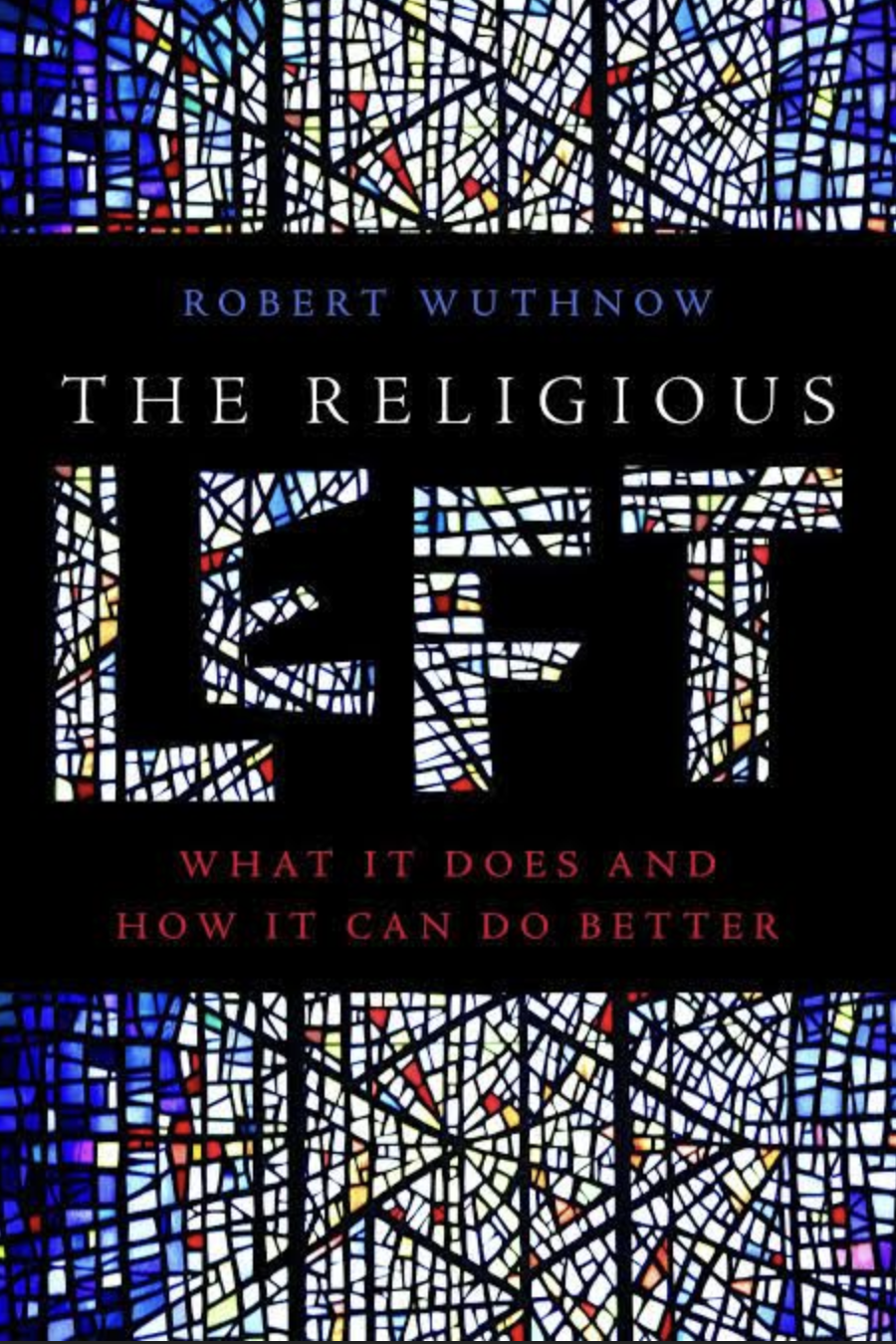
RW recently interviewed (by email) prominent sociologist Robert Wuthnow about his new book, The Religious Left: What It Does and What It Can Do Better (New York University Press, $30). Wuthnow looks at how, despite its current low visibility, the religious left’s contributions have been substantial, though not always successful.
RW: You write about how there is something of a paradox about the religious left. It has fewer numbers as far as activists and sympathizers—especially compared to the religious right—yet it shows an inclusiveness that gives it some impact. Can you explain that?
Wuthnow: I’m not sure that I would call it a paradox. Religious left organizations have long understood that their numbers among congregations were miniscule compared to those of the religious right. Knowing that, religious left organizations have found it effective to partner with interfaith organizations and secular organizations. After all, much of the work that religious left organizations do is specialized—international debt relief, affordable housing, climate change, gun reform, and so on—and thus benefits from the multiple kinds of expertise that diverse networks provide.
RW: The issue of a lack of numbers behind religious left activism has been a longtime concern and has often been associated with a disconnect between mainline clergy and their more conservative members. Do you see this as a deep-rooted problem, or has it been changing in recent years?
Wuthnow: Polls today consistently show that mainline members lean Republican and conservative on many issues, compared with mainline clergy who—being better educated on average and more attuned to social issues—tend to lean more toward Democrats and progressive issues. Mainline members in the most recent polls are registering dissatisfaction with the Trump administration, though, suggesting that there may be a convergence of sorts between members and clergy.
RW: How might the fact that the mainline denominations have faced a fairly large exodus of members over issues of sexuality and gender change that dynamic, perhaps creating a stronger core of activists and sympathizers who remain in congregations?
Wuthnow: This is an important and often overlooked fact about mainline denominations. As conservative members have decamped (think especially of Presbyterians and Methodists), those remaining tend to weigh more on the progressive side. More important than the overall rank-and-file membership, though, are the relatively few yet influential congregations that selectively attract progressive activists and thus have an outsized influence.
RW: What role do you think that social media has played in the impact of religious left activism in recent years?
Wuthnow: Social media has been incredibly important for religious left activism, just as it has been for the religious right. Social media enables the diverse, often geographically remote networks through which religious left activism functions to be more effective. This happens at local and regional as well as national levels and functions for both single-issue and multi-issue organizations.
RW: When you map the religious left landscape today, you see “hub congregations,” but more prominently, networks, special purpose organizations, and coalitions outside of congregations that are replacing the Washington offices of denominations. Could you expand on this?
Wuthnow: The Washington offices of denominations are still important but burdened with thick denominational bureaucratic layers that delay and complicate effective social activism. Advocacy hubs, networks, and coalitions are distinctively more agile. Like a complex electrical network, they can channel resources toward new issues and new initiatives. They also bring together the more specialized expertise required today that clergy alone usually lack.
RW: From your case studies on creation care and gun control, you find that coalitions that brought together religious left and religious right activists and voters were particularly effective. Do you see that as becoming more uncommon, especially in a polarized society like ours?
Wuthnow: Actually, these kinds of left-and-right coalitions—or at least loose partnerships—may be more common at this moment than in the past because of progressive evangelicals resisting Trump administration policies.
RW: In your chapter on pro-choice activism after Roe vs. Wade was struck down in 2022, you found a wave of religious activism that showed success in several states. You write that it was the religious left partnership with secular advocacy groups that was an influential factor in that success. Are such religious-secular alliances more likely in the future?
Wuthnow: What I found was that secular activists led the way and drew in religious activists specifically to add a moral voice and counter religious right claims. Additionally, those were big money campaigns because of the reproductive rights claims at issue. Big money is very likely to be decisive in future issues.
RW: Finally, with the current split in the Democratic Party between radicals and centrists, do you see these divisions playing out within the religious left and, if so, what might this mean for its future?
Wuthnow: It’s a mistake to draw tight comparisons between the Democratic Party and religious left activism. The religious left is more diverse in terms of advocating for specialized issues, more decentralized, more agile, and much less concerned with winning elections.