

On/File: A Continuing Record of People, Groups, Movements, and Events Impacting Contemporary Religion
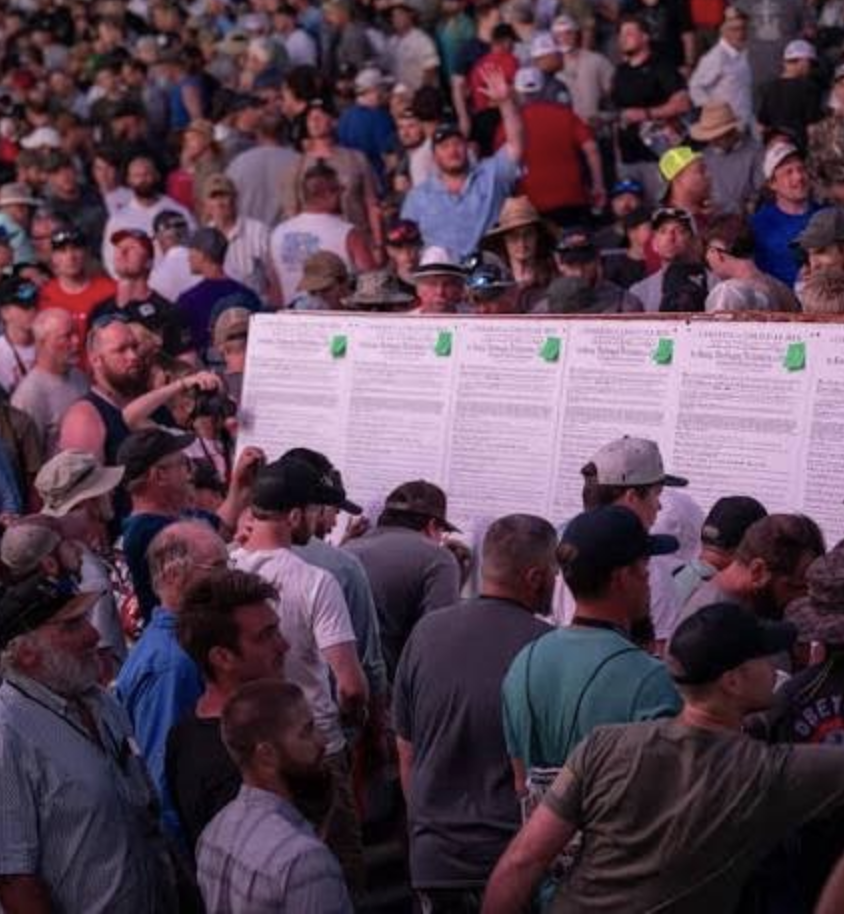
1) Freedom Con, a gathering of evangelical men, is associated with the Promise Keepers, an evangelical men’s ministry, adding a more populist and politically conservative approach to its program. Serving as an “amalgam of political activation, male bonding, and Christian worship,” the group is a reworking of Promise Keepers as it offers a “glimpse of an emerging right-wing movement with masculinity as its unifying force.” This version of Promise Keepers hosts “testosterone-fueled” celebrations of Christianity and patriotism that culminate in the call for evangelical men to serve as “statesmen” in their communities. Those who have participated in the gatherings, mainly in Washington state, also meet weekly in groups in the revamped version of Promise Keepers under such leaders as activist Rick Slaughter (who took part in the January 6 protests) and Mark Driscoll, a pastor who founded the controversial Mars Hill Church and later resigned over allegations of abusive practices. Topics addressed at the most recent conference included the usual issues of abortion and gender identity, but also such matters as housing prices and construction costs. Many of the pastors on the program strongly identify with the new right that has developed around the Trump administration, and some were promoting new political and educational institutions that “indicated their ambitions to extend their influence beyond the purely spiritual.” (Source:New York Times, June 26)
2) The Old Apostolic Lutheran Church, or OALC, a small Scandinavian-rooted revivalist church, has become a center of controversy over its handling of sexual abuse cases involving both leadership and laity and its distinctive teachings of group confession and forgiveness. The church, numbering 34 congregations in the U.S. and Canada, follows a strict doctrine, which emphasizes members asking for forgiveness for their sins from fellow members. Once a perpetrator is forgiven, anyone who speaks about the wrongdoing—including the victim—can be accused of resisting forgiveness. Ex-members of the church, as well as some who are still within it, say this teaching can be interpreted to mean that the burden of sin shifts from the person who committed the act to the person who refuses to let the matter rest. Sexual abuse survivors say these rituals have created a culture where allegations of abuse are resolved outside of the criminal justice system and the victims must bear their pain alone or risk damnation. Prosecutors said one of the biggest obstacles to breaking the cycle is the way church members move among congregations spread across the U.S. and Canada, often hundreds of miles apart but tightly bound by large, multigenerational family networks.
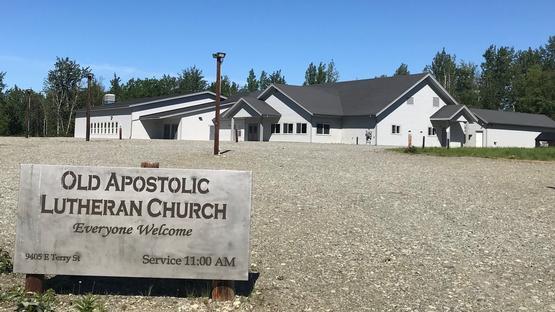
Media reports suggest that the sexual abuse of children in the OALC, as well as the failure of church leaders to report it to authorities, is a persistent and national problem. ProPublica and the Star Tribune interviewed 20 people who said they were sexually abused, almost all as children, in OALC communities, along with parents of victims as young as three. Reporters also traveled to OALC churches around the country and reviewed court and police documents from at least eight cases, along with victims’ statements to local authorities. Some current and former OALC members are calling on elders from what the church regards as its mother congregation in Sweden to intervene, but these elders don’t have legal authority over the American churches. Representatives of the OALC in the U.S. and Canada said in an email that they “do not perceive there to be a general pattern of behavior,” describing sexual abuse as a serious and persistent problem across society. They acknowledged that bringing a victim to face their abuser can be traumatic. But they defended the church’s doctrine of forgiveness, saying it was not a means to conceal wrongdoing or to shield offenders from legal consequences, and no one is coerced to forgive or to ask for forgiveness. If those teachings had been misapplied or misunderstood in some cases, they said, it “does not reflect an error in our doctrine.” (Source: ProPublica, June 4)