

On/File: A Continuing Record of People, Groups, Movements, and Events Impacting Contemporary Religion
The current wars in Iran have interrupted its sponsorship of Shi‘ite higher learning worldwide, with the many schools with Iranian ties in Europe facing new tensions. At the center of this development is Al-Mustafa International University (AMU), an Iranian based university with an estimated 50 to 60 campuses as far-flung as Indonesia, Pakistan, India, Afghanistan, and many European countries. Shia education in Europe started as decentralized and volunteer-driven initiatives alongside religious gatherings in homes and then community centers, then evolving into more specialized educational institutions. In contrast to these homegrown initiatives, AMU “entered the European market as a fully-fledged educational institution with direct connections to Iran’s religious establishment. This entrance represented a significant shift in the supply-side dynamics of Shia religious education in Europe.”
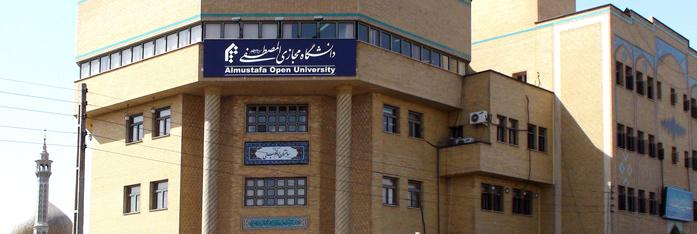
AMU’s strategic entry “leveraged this pre-developed market” by identifying populations of potential students and partnering with established universities. The university positioned itself as offering the “next level” of religious education that previous education initiatives may have prepared clients to desire but could not provide themselves. Yet AMU has been suffering many challenges in making the transition from a regulated and monolithic market to a more pluralistic and unregulated one. The tensions between Iran and Europe, especially in Germany, along with a stagnant market marked by low demand in countries such as Italy, have hindered AMU’s ability to operate at full capacity in the region. Other factors that may have affected AMU’s impact include the effects of Covid-19, the integration of AI tools in education, and the practice of teaching theology at European universities.
(Source: Contemporary Islam, online in May)