

Jihadist terrorism taking familiar shape, but academic researchers remain blindsided
Many of the kinds of groups, leaders, and strategies that were present before major jihadist terrorist attacks in the past, including 9/11, are again finding a following, writes Sara Harmouch in the Terrorism Monitor (July 16). There has been a recent growth of jihadist propaganda, particularly videos urging Muslims in Western countries to conduct lone-wolf terrorist attacks and fight on behalf of the Ummah (community), coinciding with directives from the White House (published in 2026 in the U.S. Counterterrorism Strategy) targeting Islamic terror groups, particularly revived al-Qaeda and Islamic State (IS) activity. A month after the directives were issued, al-Qaeda renewed its call for attacks in the West. Such explicit calls for attacks, as well as permissive sanctuaries (such as in Afghanistan and parts of Africa) where terrorist networks are allowed to flourish, and “cross theatre facilitation,” involving these groups’ cooperation with overlapping “ecosystems” of “smugglers, financiers, media operatives, trainers, and weapons facilitators,” were all earmarks of jihadist activity in the pre-9/11 period.
While these elements are not evidence of an imminent attack, they are warning indicators that, when joined with violent rhetoric, can result in terrorist attacks. Added to this is the increased tempo of jihadist activity, arrests, and disrupted plots, after years of decline. Harmouch concludes that the threat no longer “centers on one al-Qaeda core operating from Afghanistan but rather on a wider jihadist ecosystem of al-Qaeda and IS affiliates, branches, and inspired networks.” But even if indicators of jihadist violence are becoming more evident, academic researchers may not be likely to detect them when it comes to religious doctrine, William Gawthrop writes in the current issue of the journal Academic Questions (Spring). He writes that compared to analyses associated with judicial decisions and law-enforcement intelligence, established academic scholarship on terrorism shows a systemic blind spot that “discourages inquiry into doctrinal sources perceived as morally or politically sensitive.”
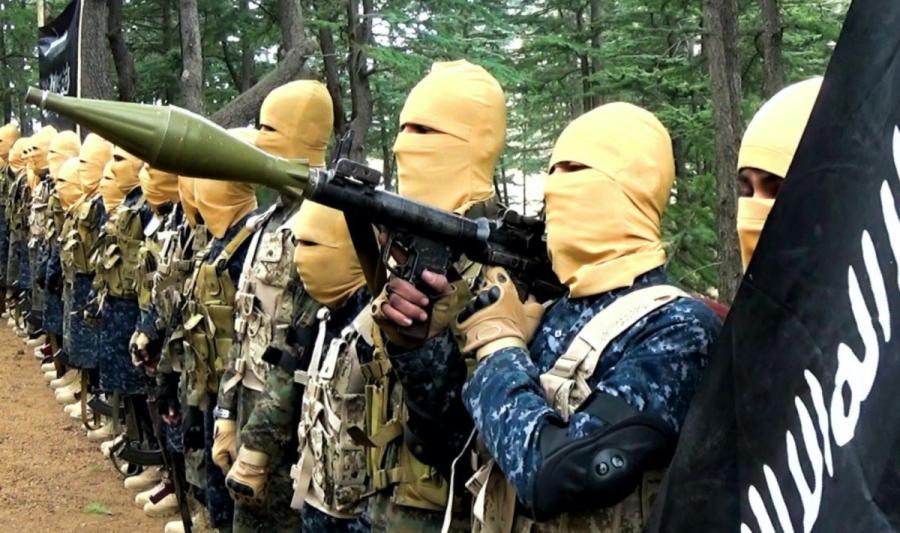
Gawthrop adds that scholarship within the criminal justice and national security fields tends to obscure the individuals at the center of ideological violence “beneath layers of abstract ‘risk factors,’ therapeutic language, and process models.” Yet law-enforcement intelligence assessments consistently document a “shift toward self-initiated ideological violence carried out by individuals acting without formal organizational command structures.” This could be seen in the Bondi Beach Islamist attack in Australia, where doctrinal hostility toward Jews was the motivating factor. Gawthrop argues that while courts treat such religious motivations as evidence, academic scholarship “often treats beliefs as epiphenomenal or reframes [them as] a symptom of vulnerability…” This avoidance in engaging doctrinal sources, whether it be from the Qur’an or other primary sources, often for fear of accusations of intolerance or fear of retaliation, means that academia will continue to outsource doctrinal analysis to courts and police, forfeiting “intellectual authority in precisely the areas where it claims expertise.”