

“Faith Forward” a way forward for Democratic religious politics?
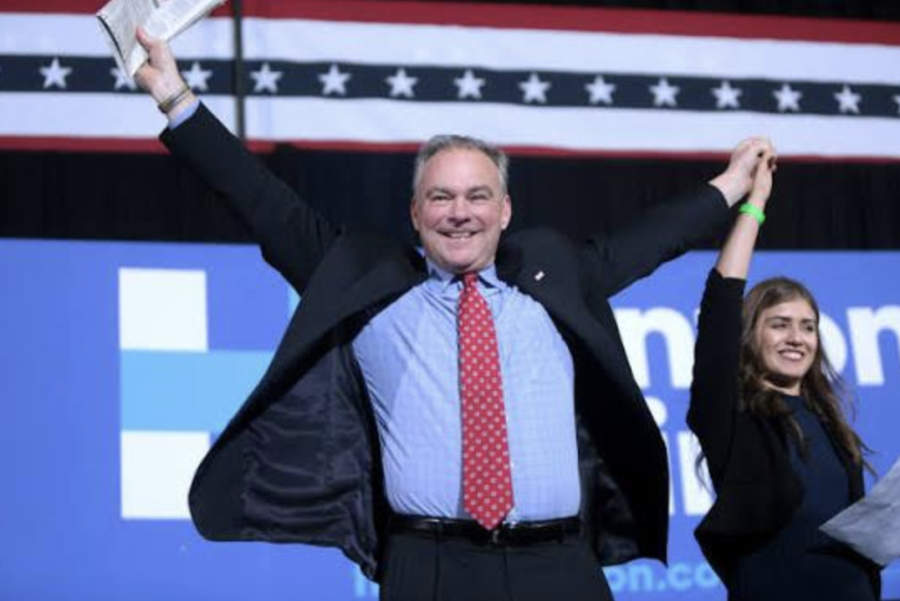
While liberal Democrats have struggled to appeal to religious Americans, “an increasing number of Democratic office holders and candidates in upcoming elections are no longer apologetic about their personal faith. Indeed,” writes Jim Wallis in his Substack newsletter God’s Politics (July 23), “they want to apply their own devout faith into the social arena where so much is at stake for justice and the common good, beyond the individualism of private religion.” Wallis, long known as a leftist evangelical activist, points to Senator Tim Kaine from Virginia, who regularly references Catholic social teachings in his political discourse and has just coined a new phrase, “Faith Forward Democrats.” Kaine has joined with other “faith-forward” senators, including Chris Coons of Delaware, Cory Booker of New Jersey, and the Rev. Raphael Warnock of Georgia who, despite now serving in the Senate, is still the pastor of the historic Ebenezer Baptist Church in Atlanta. Wallis adds that the electoral landscape is changing as a new generation of candidates speak openly about their faith and how it guides their campaigns. “Now running for the Senate is Methodist clergyman Adam Hamilton from Kansas, who leads a diverse political church of 24,000 members. Presbyterian seminarian James Talarico is running in Texas and has given faith and politics a fresh face. Minnesota Lt. Governor Peggy Flanagan, a devout Catholic and Indigenous leader, is also running for the Senate…”
Contenders for the House of Representatives include Rev. Freddy Haynes, pastor of Friendship-West Baptist Church in Dallas, considered the leading black revival preacher in the country; and new Iowa House candidate and Lutheran minister Rev. Sarah Trone Garriott. “This is a striking shift in American politics…These Democrats are reclaiming religion, not as a partisan weapon, but as a moral framework for public service. Many of them meet regularly with Republican colleagues of faith at a weekly Senators prayer breakfast. Conversation about the moral values of public life is taking place, before, after, and maybe even during prayer times,” Wallis writes. “Decades after I first asked whether Democrats would ever get religion,” he concludes, “I think I finally have an answer: a group of Democrats are ready to meet their Republican colleagues in the space where faith and democracy meet.”