

CURRENT RESEARCH
Rumors of a widespread religious revival were largely dismissed at a symposium of sociologists held at the Society for the Scientific Study of Religion’s meeting in Denver in late October. Ever since researchers from the Bible Society reported that UK churches were undergoing a “quiet revival,” the talk of revival has become popular in the media and among churches searching for good news in the past two years.
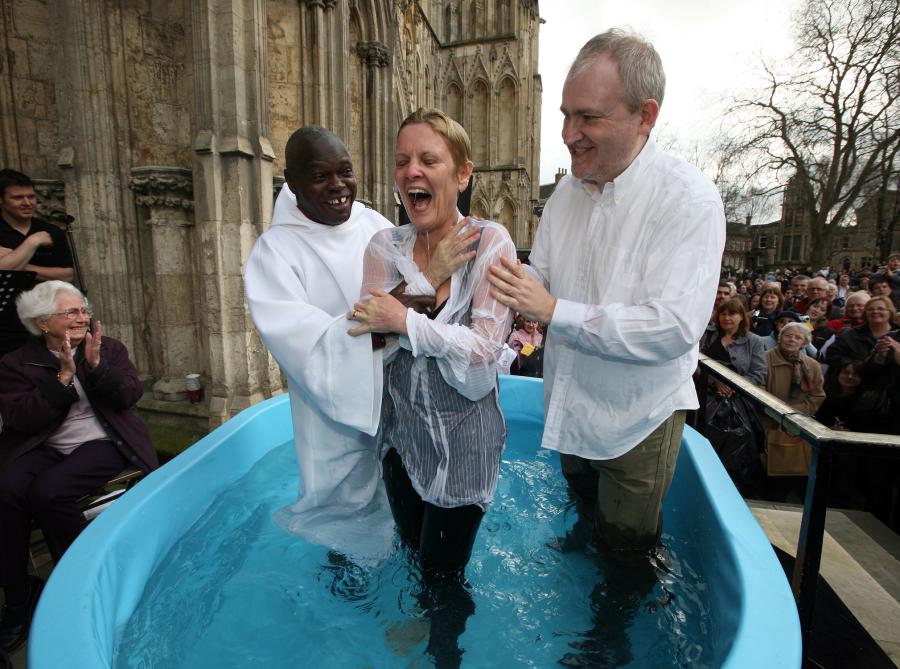
That claim was roundly criticized by participants at the symposium, which RW attended, particularly by demographer David Voas, who was among the first to fault the Bible Society for basing its claims on non-representative opt-in surveys. On the other hand, reports of increased adult baptisms in the Church of England and in Catholic churches in Europe and the U.S. seem to be valid, although Voas said that these findings reflect small increases taking place alongside continued decline in infant baptisms, which are the entryway to these churches. He added that much of the talk of a revival is “wishful thinking and is driven by moral enthusiasm.” He compared the attention given to the rise in adult baptisms to the bubble of enthusiasm over new religious movements two or three decades ago that tended to deflate over the years. “It won’t affect the religious landscape until it is hugely magnified,” he concluded.
Conrad Hackett of the Pew Research Center conceded that the reports of increased adult baptisms (of which young adults are the main recipients) do complement recent Pew figures showing a rebound in attendance among 18-to-19-year-olds, as well as reports of growing campus ministries. But he argued that a revival does not stand out in other indicators, such as church attendance or the importance of religion, leading him to believe that the increase of baptisms could be a “blip” on the screen. Kenneth Eames, the statistician for the Church of England, confirmed that, while infant baptisms have halved, adult baptisms, down since 2018, have continued to climb, well after the pandemic effect should have dissipated. “Something interesting is going on and it is not just the pandemic,” he added. Gina Zurlo of Harvard Divinity School took a historical approach to the question of revival in the U.S. She said that, unlike past revivals, she was not seeing data indicating any revival in the institutional church, such as an increase in church attendance.
Eastern Orthodox churches continue to show signs of growth in attendance, membership, and religious vitality since the pandemic, although some studies are more optimistic than others. The Faith Communities Today (FACT) study has documented the growth of Eastern Orthodox churches since the pandemic, and the latest wave of data from 2025 confirms this trend in all Orthodox jurisdictions. Comparing Orthodox and other churches since the pandemic, researcher Alexei Krindatch finds a correlation between the policy of many Orthodox churches to stay open during the pandemic and their continued growth and reports of vitality. While on a typical Sunday, U.S. religious congregations as a whole are seeing the same number of worshippers today as they did before the pandemic, Orthodox parishes have experienced significant increases (36 percent) in attendance and membership. Growth in attendance varies across Orthodox jurisdictions, with the Antiochian Orthodox Archdiocese leading the way (87 percent) and the Greek Orthodox Church seeing more modest increases (12 percent), again related to which parishes stayed open and refrained from offering online services during the pandemic.
Regarding membership growth, the Russian Orthodox Church Outside Russia registered 166 percent more members in a typical parish, compared to 33 percent more members in the Greek Orthodox Church. Over the 2020–2025 period, Orthodox churches have consistently had younger parishioners, more self-reports of vitality, increases in male membership, and more clergy satisfaction than other churches.
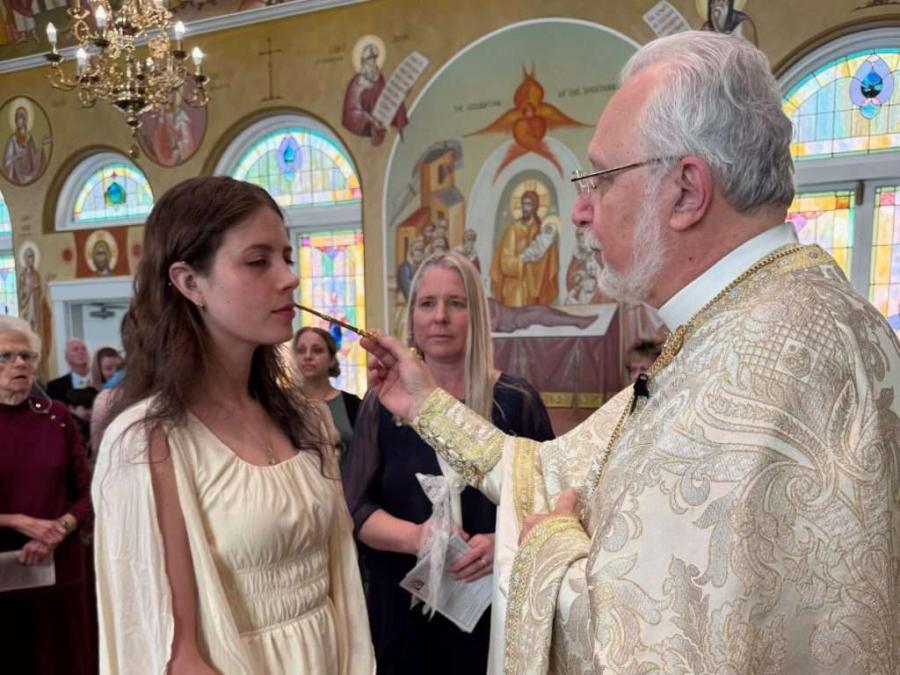
Much of this membership growth in Eastern Orthodox parishes has been through conversions to the faith. A study of converts by the Orthodox Studies Institute in 2023 and 2024 showed a similar pattern of growth since the pandemic. More recently, the institute re-analyzed its data to look at the retention rate of such converts, finding a high rate of almost 82 percent. The study’s authors caution that it was not based on a random sample of parishes and only included 1,107 adult converts from 20 parishes, though it is still the largest study of Orthodox converts ever done. The study was conducted by surveying converts and how “engaged” (rather than just officially connected) they were to their parishes. For those converts received between 5 and 10 years before the data was gathered in 2023, at least 81.8 percent were still Orthodox.
For more recent converts, received less than five years before the study, at least 94.5 percent were still Orthodox. The study did not find any statistically significant differences between men and women, age groups, family statuses, former religions, or converts’ manner of reception (baptism vs. chrismation only). Since the analysis is from a snapshot taken in 2023, the authors acknowledge that it’s “certainly possible that additional earlier-years converts have left the Church since then. But the retention numbers do appear to be fairly steady for the 2013–17 cohorts, in the 80 percent range.” Meanwhile, in his newsletter, Graphs About Religion (October 22), Ryan Burge looks at broader trends among the Orthodox and is cautious about claiming any exceptional growth of this tradition in the U.S. Using data from the Pew Religious Landscape Survey, Burge finds more similarities than differences in retention and growth rates among Eastern Orthodox, noting that they are consistent with the other larger Christian groups (Protestant retention is five points higher, and Catholic retention is eight points lower).
And as with other religious groups, the retention rate is decreasing, although decline does seem to have leveled off among the youngest Orthodox adults. As shown in the studies above, Orthodoxy does do better in its conversion rates than other denominations; for every 100 people who leave Orthodoxy, 74 come in through conversion—the highest inflow rate of any Christian group. Yet there are still more outflows than inflows. For every 3 converts, there are four defectors. But Burge is cautious about making general claims about Orthodoxy because the tradition is so small relative to other groups and has a minuscule representation in general survey data. In the Pew data, just 0.7 percent of the sample identified as currently affiliated with an Orthodox church. Using the Cooperative Election Study, the researcher notes that there does appear to be some upward movement. About 10 years ago, roughly 0.5 percent of Americans identified as Orthodox Christian; in the 2023 and 2025 data, that number is 0.9 percent—nearly double. But again, the sample size was small, so Burge says more data is needed before treating Orthodox growth as a confirmed trend.
The Krindatch study can be downloaded here.
Orthodox Studies Institute analysis
Religious change and secularization in Korea tend to take place within a cohort’s lifetime rather than as one cohort replaces another, according to Chaeyoon Lim (Washington University). As Lim reported in a paper he presented at the Denver meeting of the Society for the Scientific Study of Religion, which RW attended, he analyzed 22 surveys since 2005 to examine patterns of religious change in Korea.
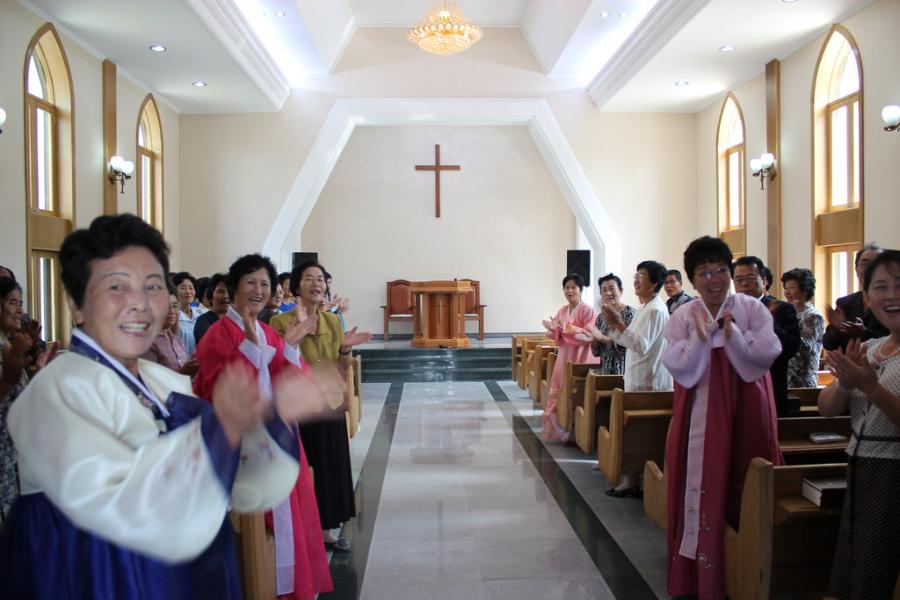
He found that the proportion of Protestants grew until 2010 and then declined. The share of Catholics increased in the 1980s, then was stable, and has more recently been declining (although there is some balancing back toward stability). The share of those claiming no religion has been increasing since the early 2000s, while Buddhism has been in continuous decline since 2005. Combining the Protestant and Catholic categories, the researcher found “a lot of movement” and within-cohort change rather than religious change through cohort replacement. Buddhism was the one religion marked by changes halfway between cohort replacement and within-cohort change, according to Lim.
Catholicism failing to roll back Portugal’s permissive morality?
The Roman Catholic Church in Portugal has recently been taking a more activist stance against permissive moral culture, but it may be too little and too late, according to an article by sociologists Ines Santos Almeida and Luis Mota in the journal Politics and Religion (online in October). Portugal has always been a puzzle, since its population still retains a strong Catholic identity while the nation has embraced a wide range of permissive moral positions and policies, including legalization of abortion, same-sex marriage, and more recently the recognition of self-determined gender identity and legalization of euthanasia. Almeida and Mota analyzed church documents and news on the debates around these issues, especially those involving gender identity and euthanasia.
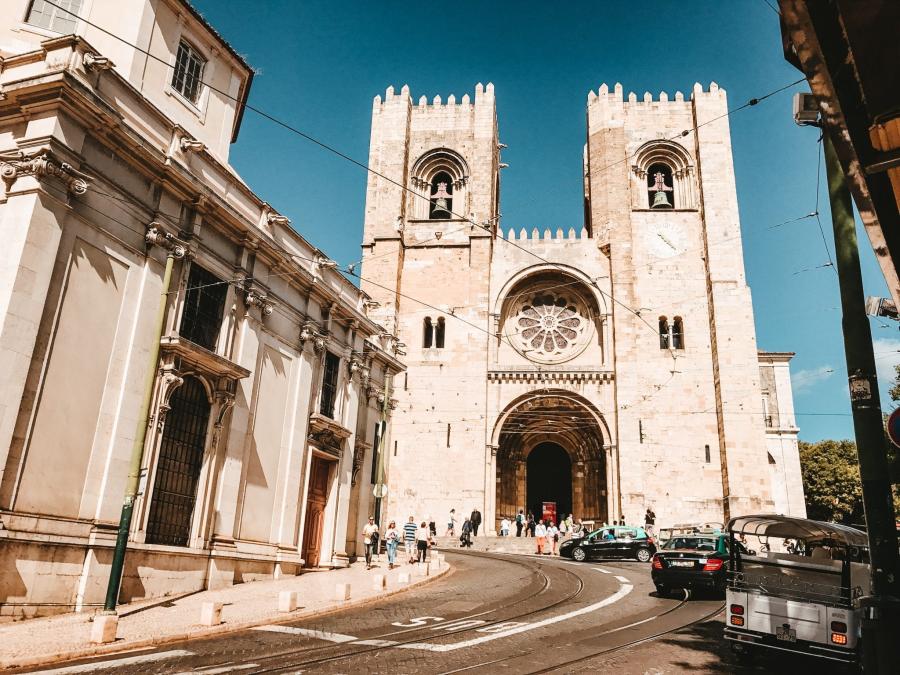
Prior debates on abortion and same-sex marriage showed that the church was relatively inactive compared to other Catholic countries in Europe, due to its weaker alliances with political parties.
The more recent debates on euthanasia and gender identity show that the church has employed moral rather than “rational” language, as well as more medical language to make its arguments. Because the bills regarding these two issues were being legislated and deliberated on at the same time, the church strategically focused more on euthanasia, though both issues were actively addressed under the leadership of Bishop Manuel Clemente (who retired in 2023). Yet this substantial involvement by the church was unable to halt such permissive policy changes, “mainly due to a secular parliamentary majority and lack of strong ties with political parties.” But Almeida and Mota note that today more Portuguese political parties are using religious morals in their political discourse, and there is the emergence of the far-right conservative and populist party Chega! and other conservative civic movements.
Ukraine opting for establishment over pluralist religious market
While Ukraine has embraced broad measures of religious freedom and pluralism since the break-up of the Soviet Union, that stance is changing, with the war with Russia giving the nation the impetus to “drift away from the religious neutrality model not only as a matter of politics but also as a matter of law,” writes Dmytro Vovk on the website Public Orthodoxy(October 2). In 1991, the Ukrainian state introduced a relatively liberal registration model for religions and the absence of significant limitations on unregistered activities and on the activities of foreign religious groups (having some similarities to the pluralist American religious market). However, Ukraine’s constitutional order provided no specific recognition or protection for religion or religions. As early as 2014, the Ukrainian government tightened control over the religious market and strengthened its presence in inter-religious relations, which included playing a crucial role in the creation of the independent Orthodox Church of Ukraine (OCU) and its recognition by the Ecumenical Patriarchate as a new domestic Orthodox church. The government has issued a stream of restrictions on the rival Ukrainian Orthodox Church (UOC) for its ties to Russia and the Moscow Patriarchate (although the church has increasingly distanced itself from the Moscow Patriarchate), such as requiring the UOC to “change its name to something like ‘the Russian Orthodox Church in Ukraine,’ which was meant to distinguish this church, in the eyes of believers, from a proper Ukrainian church—the OCU.”
Another law simplifies the transition of UOC communities to the OCU by limiting church ruling bodies’ influence on parishes’ decision-making process. In 2024, the government went to court to ban the UOC, Vovk writes. The 2024 law “regulates not only the conduct of religious groups and believers but also ecclesiastical doctrines and interchurch relations, which are generally protected by international law as a matter of religious autonomy,” he adds.
Protecting national security increasingly translates into “protection from certain problematic religions even if they are not actually involved in illegal behavior…” Related to security concerns, representatives of the executive and legislative branches of the government are now considering a more restrictive registration system, “limitations on unregistered religious activities and a more exclusivist model of religious diversity where alternative religious groups (for example, alternative Orthodox or Greek Catholic jurisdictions) might be prohibited from entering and operating in Ukraine or be subjected to the approval from the ‘traditional’ religions.”
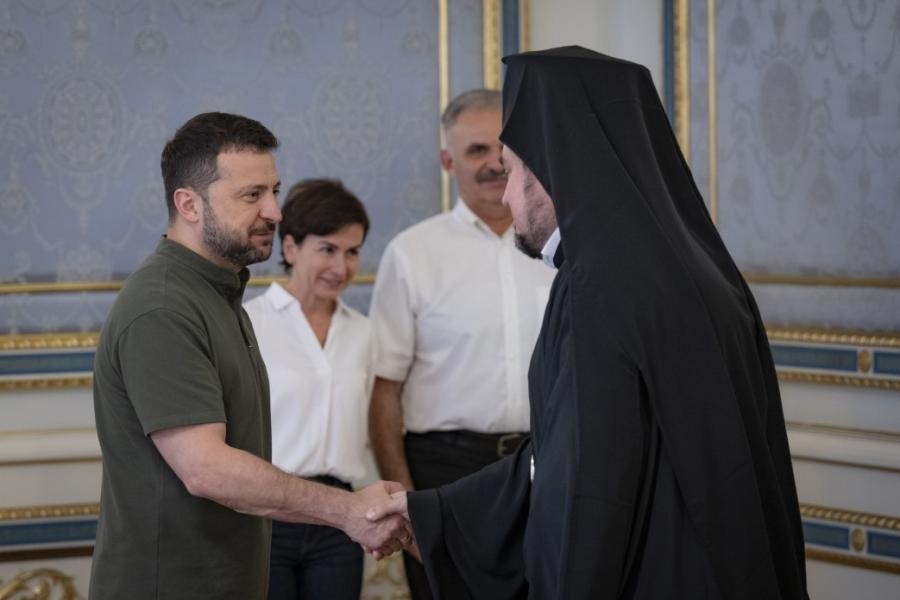
If legislated, such reforms may bring Ukraine closer to most post-Soviet states, “with a more controlling model of the state’s relations with religion and a more limited religious market,” Vovk writes. It should be noted that other major Ukrainian religious communities, such as Greek Catholics, Protestants, and Jews, also endorsed the 2024 law with the goal of cutting Russia’s spiritual influence in Ukraine. This may be why President Zelensky announced a transition to a more cooperative model of relations with religious groups, which may entail simplifying religious groups’ access to state-owned religious property, providing some tax benefits, and a proposal to exempt religious leaders and priests from mobilization (although this would not apply to the UOC and unregistered religious communities). Vovk concludes that Christian groups have promoted a more ambitious program of cooperation, which includes public funding, the right to officiate marriages, issues of family and sexuality, access to public education, and restitution of church property. In return, the Ukrainian state has recognized that “ideology, theology, culture, and historical memory can be a matter of broadly understood national security and sovereignty,” even if it may adversely affect some unpopular Protestant denominations (such as those refusing military service) and lead to the OCU functioning as a state church.