

Anti-Zionist activism rolling out its own spiritual communities
Anti- and non-Zionist groups are emerging and taking on the role of synagogues, even if many of them are small house-based fellowships, reports Joseph Strauss in the Jewish Telegraphic Agency news service (October 14). The flurry in establishing such fellowships or minyans partly came as a response to the radical Jewish Currents editor-at-large Arielle Angel’s call last year for “new Jewish institutions” that have no attachment to Israel or Zionism. In October, anti-Zionist activists gathered in central Brooklyn in New York City to run a “bootcamp” for people hoping to get fledgling Jewish groups off the ground. Sessions included topics such as staffing and funding, as well as “discussions about who, exactly, is welcome in a space that is ‘anti-Zionist,’ ‘non-Zionist,’ ‘diasporist’ and the like.” The minyans that have been started are often in people’s apartments or community spaces, but the hope is that “many of these small minyans will be synagogues in a few years,” according to Angel.
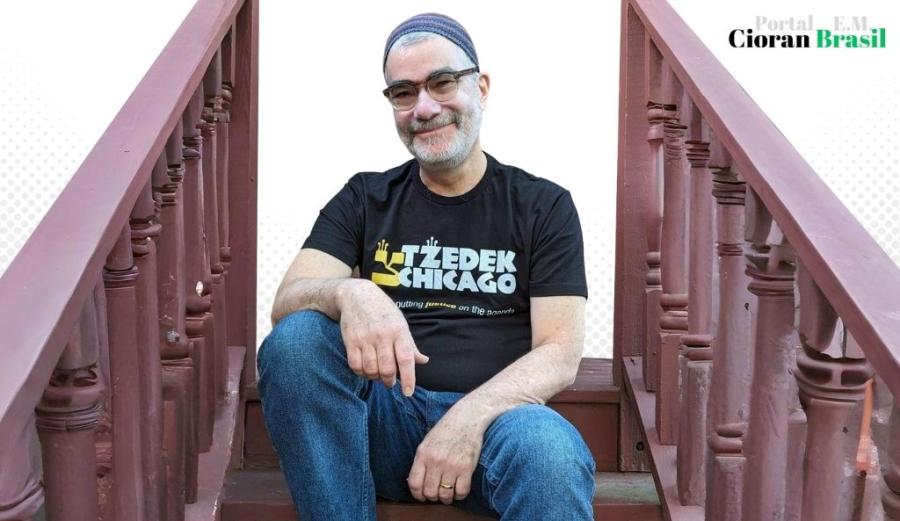
One Brooklyn minyan leader attending the bootcamp, whose group has about 50 attendees, said that had she heard from “so many” that they were relieved to attend services in a space without an Israeli flag. The typical progressive focus on inclusiveness and diversity does not seem to play well in many of these spaces, however. One panel at the bootcamp focused on the process of setting an organization’s “political boundaries,” with the organizer saying that the anti-Zionist synagogue he co-founded, Tzedek Chicago, was “consciously not an inclusive community.” Potential members were asked the question: “Given that these are our values, is this a community you want to belong to?”
The new minyans see themselves catering to young adults whose support for Israel is a less significant component of their Jewish religious identity. “These groups are starting up because of demand,” according to Rabbi Alissa Wise. But Wise, a co-founder of the Jewish Diaspora Movement, the group behind the bootcamp event, and a former staff member at Jewish Voice for Peace (JVP), sees the minyans and havurahs (larger Jewish communities offering activities such as shabbat dinners) as an arm of anti-Zionist activism. While saying that JVP “played a pivotal role in building Jewish life outside of Zionism,” she still sees a major gap in religious and cultural Jewish institutions that reject Zionism. For the future, organizers plan to start other kinds of non-Zionist Jewish organizations, such as summer camps and theatre groups, as well as a “diasporist” Jewish day school in the Boston area slated for the fall of 2029. But bootcamp organizers bemoaned the clear obstacle that stands in their way: funding. “There’s only so much money on the Jewish left,” Angel said. Any anti-Zionist group is highly unlikely to receive funds from one of the many Jewish federations in the U.S., which often maintain deep ties to Israel.