

Ahmadi Muslims between state persecution and international advocacy
The UK Ahmadiyya Muslim community has recently embraced a more activist stance for religious freedom while expanding worldwide, according to reports. At its recent annual convention, the group formally endorsed the appeal by the Catholic charity Aid to the Church in Need (ACN) to the United Nations and to governments worldwide for stronger action against the persecution of religious minorities, reports Aid to the Church in Need (UK) (July 21). The convention, which is considered the largest Muslim gathering in the country, invited ACN (UK) national director Dr. Caroline Hull to launch the campaign. Persecution is an issue the Ahmadiyya movement is familiar with, notably in Pakistan, which became the principal center of the community after the 1947 Partition.
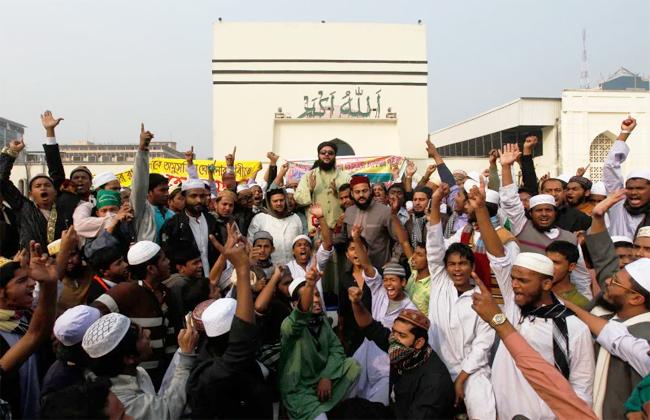
In an opinion piece in The Diplomat (July 14), journalist and human rights researcher Natiq Malikzada argues that the persecution of Pakistan’s Ahmadiyya community is not merely a matter of extremist mob violence (including assassinations), but a system anchored in the country’s own constitutional and penal framework, with the state acting as the decisive intermediary. Beside mob and militant violence against Ahmadi believers, Pakistan’s Penal Code criminalizes Ahmadi use of Islamic vocabulary, the naming of their mosques and call to prayer, and any preaching or self-presentation as Muslim. According to an unpublished report of the London-based International Human Rights Committee, extremists pressure authorities, authorities restrict Ahmadi worship, and Ahmadis themselves face police reports and arrests while attackers go unpunished. Malikzada argues that international criticism targets violence rather than this state-sponsored discriminatory framework, leaving Pakistan without diplomatic cost.
At the same time, persecution has not prevented the movement from expanding around the world. According to the movement’s annual worldwide report cited in Al Hakam Weekly (July 25), 267,596 bai’ats (pledges of allegiance/conversions) were registered during the past year, from people across 132 countries. There were 398 new chapters (jamaats) reportedly established worldwide (excluding Pakistan), with the leading countries being Benin (86), Congo-Brazzaville, and Liberia. There have also been 172 new mosques (133 constructed, 39 acquired) and 127 mission houses established in 41 countries. “Contact was re-established during the year with 54,485 new Ahmadis across 95 countries, including Cameroon, Niger, Mali, Benin, Guinea-Bissau and others”—implicitly, a retention/attrition indicator, according to the report. This is not forgetting social work, publishing activities and media outreach, with the movement running 26 radio stations across Africa. Africa is the continent where the Ahmadiyya Movement is experiencing its most significant contemporary growth. No verified global census of Ahmadi Muslims is available, but independent estimates place the worldwide number of Ahmadi Muslims at between 10 and 20 million.